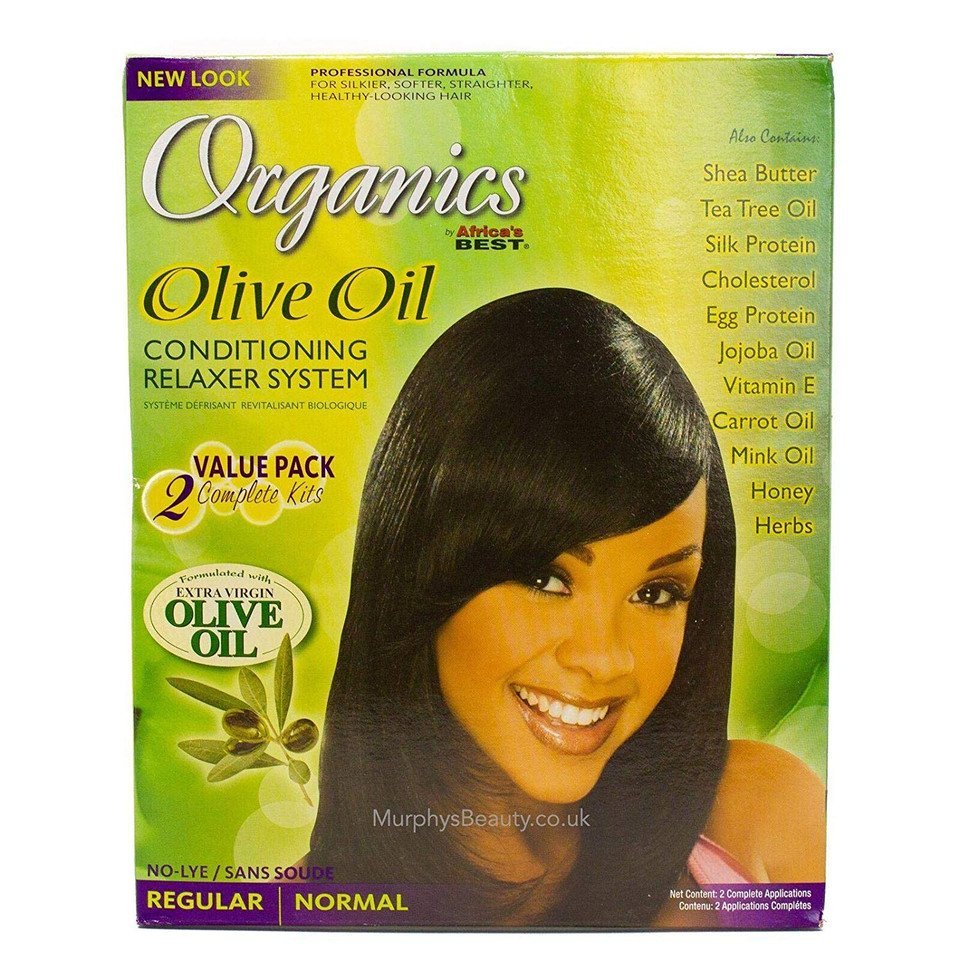

Description
Olive Oil Conditioning Relaxer System – The Complete Guide
Whether you’re considering a relaxer for the first time or seeking healthier hair results, the Olive Oil Conditioning Relaxer System is one of the most talked-about methods for chemically straightening curly and coiled hair while maintaining moisture and strength. Unlike traditional relaxers, systems infused with olive oil aim to condition during the process and reduce dryness – but there’s way more to this topic than the basics.
What Is an Olive Oil Conditioning Relaxer System
An Olive Oil Conditioning Relaxer System is a chemical hair relaxer formulated with olive oil and conditioning agents. It can be a no-lye relaxer, meaning it’s gentler on the scalp than traditional sodium hydroxide products.
In a typical kit, you’ll find:
-
Relaxer cream
-
Activator (if applicable)
-
Neutralizing shampoo
-
Conditioning or replenishing treatment
The olive oil component helps reduce dryness that chemical relaxers can cause, making the hair feel softer and look shinier after treatment.
Why Olive Oil Matters
Olive oil isn’t just a trendy ingredient – it has real properties that support healthier hair during a chemical process:
1. Moisture Retention
Olive oil acts as an emollient – it smooths down the hair cuticle and helps lock in moisture during chemical processing, which can otherwise strip hair dry.
2. Adds Elasticity & Shine
Olive oil can penetrate the hair shaft, improving elasticity and reducing breakage – one of the biggest risks with relaxers.
3. Scalp Protection
While not a substitute for protective cream, olive oil can create a light barrier on the scalp to reduce irritation from chemical contact.
How Relaxers Work – The Chemistry Explained
Relaxers chemically break down disulfide bondsthe connective chemical structure that gives hair its curl pattern. Once broken, those bonds can be reset, so hair becomes straighter.
This process is powerful, and over-processing can weaken hair – even if the formula contains olive oil. That’s why timing and technique matter.
Step-by-Step: Applying an Olive Oil Conditioning Relaxer
Here’s a safe step-by-step process:
1. Perform a Strand Test
Always test a small hair section first – results vary with hair texture.
2. Prepare the Hair
Wash hair without conditioner, then dry lightly. Conditioner can block the relaxer.
3. Protect Your Scalp
Apply a protective base cream or petroleum jelly to prevent burning.
4. Apply Relaxer
Divide hair into sections. Apply relaxer only to new growth, not over relaxed hair.
5. Timing Is Key
Follow package timing based on hair strength and texture – do not exceed recommended time.
6. Rinse Immediately
Stop the chemical process by rinsing thoroughly.
7. Neutralize
Neutralizing shampoo is essential – it restores pH balance and halts chemical activity.
8. Deep Condition
Follow with a deep conditioning treatment included in the kit.
Olive Oil Relaxer vs. Traditional Relaxers
| Feature | Olive Oil Conditioning Relaxer | Traditional Relaxer |
|---|---|---|
| Scalp Sensitivity | Usually gentler | Higher risk of irritation |
| Conditioning | Yes (natural oils) | Minimal |
| Moisture Retention | Better | Often dries hair |
| Best For | Dry / fragile hair | Stronger textures |
| Chemical Base | No-lye option available | Lye (sodium hydroxide) |
Note: Neither is completely risk-free, and even olive-oil-based systems can cause dryness if misused.
Who Should Use an Olive Oil Relaxer
This system is most suitable for:
Dry or damaged hair needing conditioning
First-time relaxer users
Those with moderate curl patterns (3A’4B)
People seeking moist, silky results
Consider alternatives if you simply want to reduce curl loosely – a texturizer or texlax method may be safer and gentler. (A texlax loosens curls slightly without full straightening.)
Risks & How to Avoid Damage
Even olive-oil relaxers carry risks.
Common Risks
Scalp irritation or burnsespecially if applied too close
Over-processingleads to breakage or brittleness
Hair thinning or hair loss if relaxers are used too often
Best Safety Practices
Never apply to irritated or broken skin
Always follow timing guidelines
Protect scalp with base creams
Do not overlap on previously relaxed hair
Post-Relaxer Care Routine
A relaxer treatment doesn’t end once you rinse it out. Here’s how to maintain healthy hair:
1. Deep Conditioning
Use a rich deep conditioner once a week to replenish moisture levels.
2. Protein Treatments
Relaxed hair often needs strength – use protein masks every 4–6 weeks.
3. Moisture & Sealing
Use leave-in moisturizers and seal with natural oils like argan or jojoba.
4. Protective Styling
Low-manipulation styles like buns or braids prolong results and protect ends.
Expert Tips Most Guides Don’t Cover
Brushing technique mattersuse a wide-tooth comb post-relaxer, not brushes, to minimize breakage.
Timing adjustmentsif your hair is fine, reduce processing time slightly.
Heat styling limitsdon’t flat-iron immediately after relaxation; give hair a few days to rehydrate.
Frequently Asked Questions (FAQs)
Q1: Is an olive oil conditioning relaxer healthier than a standard relaxer
A: Olive oil formulas are gentler and offer extra conditioning, but they do not eliminate chemical risks inherent to relaxers.
Q2: How long do results last
A: A properly applied relaxer typically lasts 6–8 weeks, depending on hair growth speed and maintenance.
Q3: Can I mix olive oil into a relaxer at home
A: No. Professional formulas already balance chemicals and conditioning – DIY mixing can interfere with processing and results.
Q4: Can I use this relaxer if I have sensitive scalp
A: No-lye olive oil systems are usually gentler, but always perform a patch test and protect the scalp.
Q5: What’s the difference between no-lye and lye relaxers
A: No-lye relaxers use gentler alkaline agents, while lye relaxers use sodium hydroxide – which can be stronger but riskier.
Final Thoughts
An Olive Oil Conditioning Relaxer System can be an excellent way to straighten hair and nurture it at the same time – but with chemical treatments, knowledge is power. Use the right technique, protect your scalp, and adopt a nourishing aftercare routine to get long-lasting, silky results. At beautyfusionuk, we’re committed to helping you make the safest, most informed choices for your hair.
Reviews
There are no reviews yet.