
Description
The Ultimate Guide to Kiwi Seed Oil (Not Covered in Other Articles)
In recent years, Kiwi Seed Oil has quietly become one of the most coveted botanical oils in natural skincare and haircare products. While many top pages mention it’s nourishing, rich in fatty acids and ideal for hydration, few cover the science behind how it works, how to choose quality oil, its stability and real formulations, sustainability, and DIY applications. In this guide, we go beyond the basics to give you a professional-grade resource on Kiwi Seed Oil.
What Is Kiwi Seed Oil
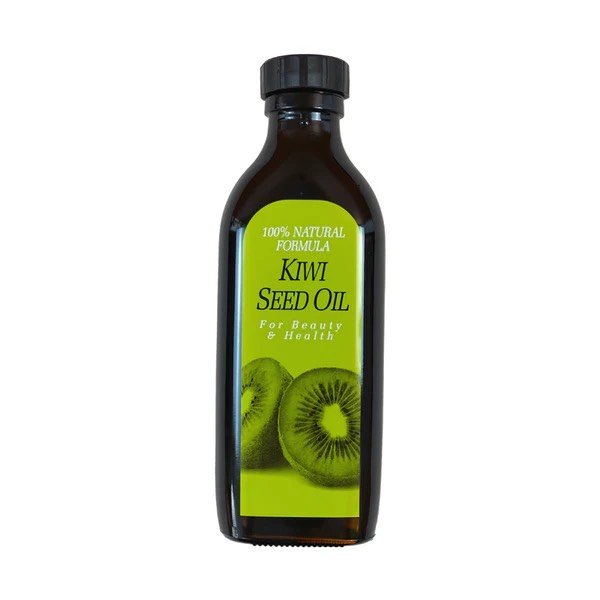
Kiwi Seed Oil is a lightweight botanical oil extracted from the tiny seeds of the kiwifruit (Actinidia chinensis or Actinidia deliciosa). Cold-pressed to retain its nutrient profile, it’s prized across skincare, body care, and hair care for its extraordinary composition.
Unlike fruit pulp oils (like olive or avocado), kiwi seed oil is unusually rich in omega fatty acids – particularly omega-3which gives it unique skin-conditioning benefits.
What Makes Kiwi Seed Oil Special (Scientific Breakdown)
Most articles mention that kiwi seed oil has omega-3 and vitamin E, but few explain why these elements matter:
1. Omega-3 Fatty Acids (Alpha-Linolenic Acid) – 50-60%
Kiwi seed oil contains one of the highest plant sources of omega-3 fatty acids, particularly alpha-linolenic acid (ALA).
These fatty acids help maintain the skin’s lipid barrier, vital for:
-
locking in moisture
-
reducing dryness
-
strengthening sensitive or irritated skin
Unlike many heavier oils, this one penetrates deeply without leaving a greasy filmperfect for daily skin use.
2. Antioxidant Vitamins (C & E)
Kiwi seed oil naturally contains:
-
Vitamin Cskin brightening and collagen support
-
Vitamin Epowerful antioxidant protection
Their presence helps protect cells from environmental stress and supports collagen synthesis – something most oil pages mention superficially without explaining the impact on elasticity.
3. Phytosterols & Other Bioactives
Kiwi seed oil also includes phytosterols and phenolic compounds, which research shows can:
-
reduce inflammation
-
calm redness
-
support skin healing and regeneration
These bioactives separate kiwi seed oil from simpler carrier oils that rely solely on fatty acid content.
This ingredient profile also explains why kiwi seed oil shows up in anti-aging, redness-reducing and sensitive skin formulas.
Benefits of Kiwi Seed Oil – Deeper Insights
You’ve likely read that it moisturizes or protects the skin. Let’s go deeper:
Moisture Without Greasiness
The unique fatty acid profile means it absorbs faster than most plant oils and leaves a silky finish rather than an oily one – making it suitable even for combination and oily skin types.
Barrier Support and Sensitivity
Omega-3 and phytosterols help repair and strengthen the skin barrierparticularly useful for dryness, eczema-prone or irritated skin.
Antioxidant Protection Against Stressors
Daily pollution, UV rays, and blue light can trigger oxidative stress. The antioxidant content helps neutralize free radicals and protect skin cells from early aging.
Balance for Sebum Regulation
While not as commonly covered, kiwi seed oil’s light texture and fatty acid balance can help regulate sebum production, helping skin stay balanced without clogging pores.
Hair Health
Most pages focus on hair shine. But kiwi seed oil can also support scalp health, reduce flakiness, and strengthen hair cuticles, aiding in smoother, more resilient hair.
How Kiwi Seed Oil Works Inside Formulas
Understanding how kiwi seed oil interacts in cosmetics helps you choose or craft better products:
1. In Creams & Lotions
Kiwi seed oil works well in emulsion systems because it blends seamlessly with other oils and boosts barrier function without greasiness.
2. In Serums
Used at 1-5% in face serums, it contributes conditioning and lightweight hydration.
3. In Hair Oils
When used alone or with other oils, it helps reduce frizz and improves hair manageability by creating a light protective layer.
4. In Balms and Butters
Blended with heavier butters (like shea butter), it gives richness while keeping the texture smooth and spreadable.
Choosing Quality Kiwi Seed Oil
Most basic articles list benefits, but they do not teach you how to pick a good product. Here’s what to look for:
Cold-Pressed & Unrefined
Always choose cold-pressed and unrefined to retain full nutrient value.
Organically Sourced
Organic fruit seeds ensure fewer pesticides and higher antioxidant levels.
Opaque Packaging
Because light damages antioxidants, quality seed oil should be in dark glass bottles.
GC-MS Tested
Some premium oils undergo GC-MS testing to verify composition and purity – a level of quality assurance many brands skip.
Stability & Shelf Life
A common omission is how kiwi seed oil behaves over time:
Shelf life: ~1 year when stored properly
Keep it cool and dark to reduce oxidation
Avoid heat exposure or sunlight after opening
This ensures the fatty acids and antioxidants remain intact for maximum benefit.
DIY Beauty Recipes Using Kiwi Seed Oil
Here are some easy, science-based formulations you can try at home.
1. Soothing Facial Serum
Ingredients:
-
2 tbsp seed oil
-
1 tsp rosehip oil
-
3 drops lavender essential oil
Mix and apply to clean skin at night.
Benefit: Omega-3 antioxidant combo for hydration and calming.
2. Brightening Eye Oil
Ingredients:
-
1 tbsp kiwi seed oil
-
tsp vitamin E oil
Gentle massage around under-eye area.
Benefit: Supports elasticity and reduces puffiness.
3. Hair Scalp Booster
Ingredients:
-
2 tbsp kiwi seed oil
-
1 tsp argan oil
Apply to scalp 15 minutes before shampoo.
Benefit: Nourishes scalp and reduces dry flakiness.
Seed Oil vs Other Popular Oils
Unlike heavier oils like coconut or jojoba:
Absorbs faster
Less likely to clog pores
Higher omega-3 content than many plant oils
Its antioxidant density rivals argan oil, while its lightweight feel is closer to grapeseed oil – offering a unique balance that’s rarely highlighted.
Scientific Safety Notes
Kiwi seed oil is generally safe for most skin types, with a very low comedogenic rating.
Still:
Always perform a patch test
Consult dermatologist if pregnant or allergic to kiwifruit
Not recommended for broken or severely irritated skin
FAQs About Seed Oil
1. Is kiwi oil good for acne-prone skin
Yes – due to its lightweight profile and ability to support the skin barrier without clogging pores.
2. Can it help with wrinkles
The antioxidant and omega-3 content supports elasticity and can reduce signs of aging with consistent use.
3. How often should I use it
Daily use (morning or night) is ideal – especially on dry or sensitive skin.
4. Can I use it on hair
Yes – it helps nourish the scalp and smooth hair cuticles.
5. Can kiwi oil replace sunscreen
No. While antioxidants provide some protection, it is not a substitute for SPF.
Conclusion
Kiwi Seed Oil is more than just another plant oil – it’s a nutrient-dense, science-backed ingredient that provides deep hydration, antioxidant protection, barrier support, and versatility across skincare and haircare.
By understanding how it works, how to choose quality, how to store it, and how to use it effectively, you can unlock its full potential in your routine – something most shorter articles never fully explain.
Incorporate kiwi oil into your beauty rituals – your skin and hair will thank you.



Reviews
There are no reviews yet.