
Understanding Low Porosity Hair and How to Care for It
Does your hair take ages to get wet, feel dry even after conditioning, or become greasy when you apply moisturising products? These could be signs of low porosity hair.
Understanding your hair porosity can help you choose products that work better for your strands. Instead of layering heavy creams and oils, the right combination of cleansing, conditioning and lightweight moisturising products may help improve softness and manageability.
In this guide, you’ll discover seven common signs of low porosity hair, how to check your hair porosity at home, which products to look for and how to build a simple hair care routine without unnecessary product buildup.
What Is Low Porosity Hair?
Hair with a low porosity tends to take longer to absorb water. Usually this is due to the cuticle (the protective outer layer of the hair) being tightly closed. Again, this can impact both the ease with which you can dampen your hair and also how it reacts to products.
People with low porosity hair can often find that thicker hair products such as conditioners, creams and oils create a more heavy feeling residue on the hair, even if this isn’t desired.
Whilst low porosity is a natural hair type, it does not always indicate that a persons hair is either damaged or unhealthy. It is essential to utilise products and methods that are appropriate for your hair type.
What Is Porous Hair?
Hair porosity refers to how readily water and other substances can enter or move through the hair fibre. Hair porosity is commonly described using three broad categories:
- Low porosity: Hair is relatively resistant to water absorption.
- Medium porosity: Hair generally responds well to balanced cleansing and conditioning.
- High porosity: Hair may absorb water readily because of greater structural porosity or cuticle damage.
These categories are useful for guiding your hair care routine, although individual strands can behave differently.
7 Common Signs of Low Porosity Hair
If you are unsure about your hair type, paying attention to its behaviour during washing and styling can provide useful clues.
1. Your Hair Takes Longer to Become Fully Wet
Water may initially bead on the surface of your strands rather than wetting them evenly.
You might need to spend extra time rinsing and gently separating your hair before applying shampoo, particularly if your hair is thick or densely packed.
2. Hair Products Tend to Sit on the Surface
One common experience associated with low porosity hair is the feeling that creams, oils and conditioners remain on the outside of the strands.
Instead of leaving your hair soft and manageable, heavier formulations may create a greasy, sticky or coated finish.
3. Your Hair Develops Product Buildup Easily
Repeatedly applying thick creams, heavy butters and multiple styling products without sufficient cleansing can leave residue behind.
This may make your hair feel dull, heavy or difficult to style. Regular cleansing and using smaller quantities of products can help manage this problem.
4. Your Hair May Take Longer to Dry
Some people with low porosity hair notice that their strands remain damp for longer after washing. However, drying time can also depend on hair density, strand thickness, humidity and styling products.
Consider this alongside other signs rather than using drying time alone to determine your hair porosity.
5. Heavy Oils and Butters Weigh Your Hair Down
Rich oils and thick butters can be useful for some hair types, but applying too much may leave your strands feeling coated rather than conditioned.
Lightweight formulations are often a more practical starting point, particularly for fine or easily weighed-down hair.
6. Your Hair Feels Dry Despite Regular Conditioning
You may use moisturising products regularly but still struggle to achieve the softness and manageability you want.
This does not necessarily mean you need more products. Changing the amount you use, application technique or formulation may produce better results.
7. Your Hair Feels Better With Lightweight Products
If lightweight leave-in conditioners and water-based moisturisers leave your hair feeling softer and less coated than thick creams, your strands may benefit from a simpler conditioning routine.
This can be a useful clue when identifying low porosity hair, although product preferences alone cannot confirm your hair porosity.
How to Check Hair Porosity at Home
There are several popular methods for checking hair porosity at home. Although none can provide the precision of laboratory testing, observing your hair can help you understand its behaviour.
Is the Hair Porosity Float Test Reliable?
A popular porosity test on hair involves placing a clean strand in a glass of room-temperature water and observing whether it floats or sinks.
Although this method is widely discussed, it cannot reliably confirm whether you have low or high porosity hair. As explained by Lab Muffin Beauty Science, factors such as surface tension and natural oils can influence the results of at-home hair porosity tests.
Instead of relying solely on the float test, observe how your hair responds to water, cleansing and conditioning over several wash days. These observations can help you make more practical hair care choices.
The Water Spray Test
Lightly mist a small section of clean hair with water and observe how the droplets behave.
If water remains visible on the surface for some time, your hair may be relatively resistant to wetting. If the section becomes wet quickly, it may behave differently.
Natural oils and existing product residue can also affect this test, so consider the results alongside your everyday hair care experience.
Observe Your Hair During Wash Day
A more practical approach is to monitor how your hair responds to washing, conditioning and styling over several weeks.
Notice how easily it becomes wet, whether products leave a noticeable residue and which conditioners provide the best results.
These observations can help you build a suitable routine without relying on a single porosity test.
What Causes Low Porosity Hair?
Low porosity hair is often associated with a relatively compact and intact cuticle structure. Natural differences in hair fibres, including inherited characteristics, can influence how hair interacts with water and conditioning ingredients.
It is not necessarily caused by poor hair care, and it does not mean your hair is unhealthy.
Hair porosity can also vary along the length of an individual strand. Newer hair near the roots may behave differently from older ends that have experienced repeated washing, brushing, heat styling or chemical treatments.
Bleaching, excessive heat and other forms of damage may increase porosity over time. This is why your hair care requirements can change even when your natural hair texture remains the same.
Low Porosity vs High Porosity Hair: What Is the Difference?
Understanding the difference between low and high porosity hair can help you choose products that suit your individual needs.
| Hair characteristic | Low porosity hair | High porosity hair |
|---|---|---|
| Cuticle condition | Generally compact and relatively intact | May be more damaged or structurally porous |
| Water absorption | Often slower | Often faster |
| Product preference | Lightweight formulations may work well | Richer conditioning products may be helpful |
| Common concerns | Product buildup and resistance to wetting | Roughness, damage and moisture management |
| Conditioning approach | Balanced, lightweight conditioning | More intensive conditioning when needed |
| Oil application | Small quantities may be preferable | Richer formulations may suit some hair types |
Neither hair porosity category is inherently better than the other. The most important factor is how your hair responds to your chosen routine.
If you regularly wonder whether your hair is low or high porosity, consider its overall behaviour rather than judging it by a single characteristic.
Best Products for Low Porosity Hair
Finding the right low porosity hair products starts with understanding how your strands respond to different formulations. Products that cleanse effectively, provide sufficient conditioning and leave minimal unwanted residue are often a practical starting point.
1. Clarifying Shampoos for Product Buildup
If your hair feels greasy, heavy or coated despite regular washing, an occasional clarifying shampoo may help remove accumulated styling products and excess oils.
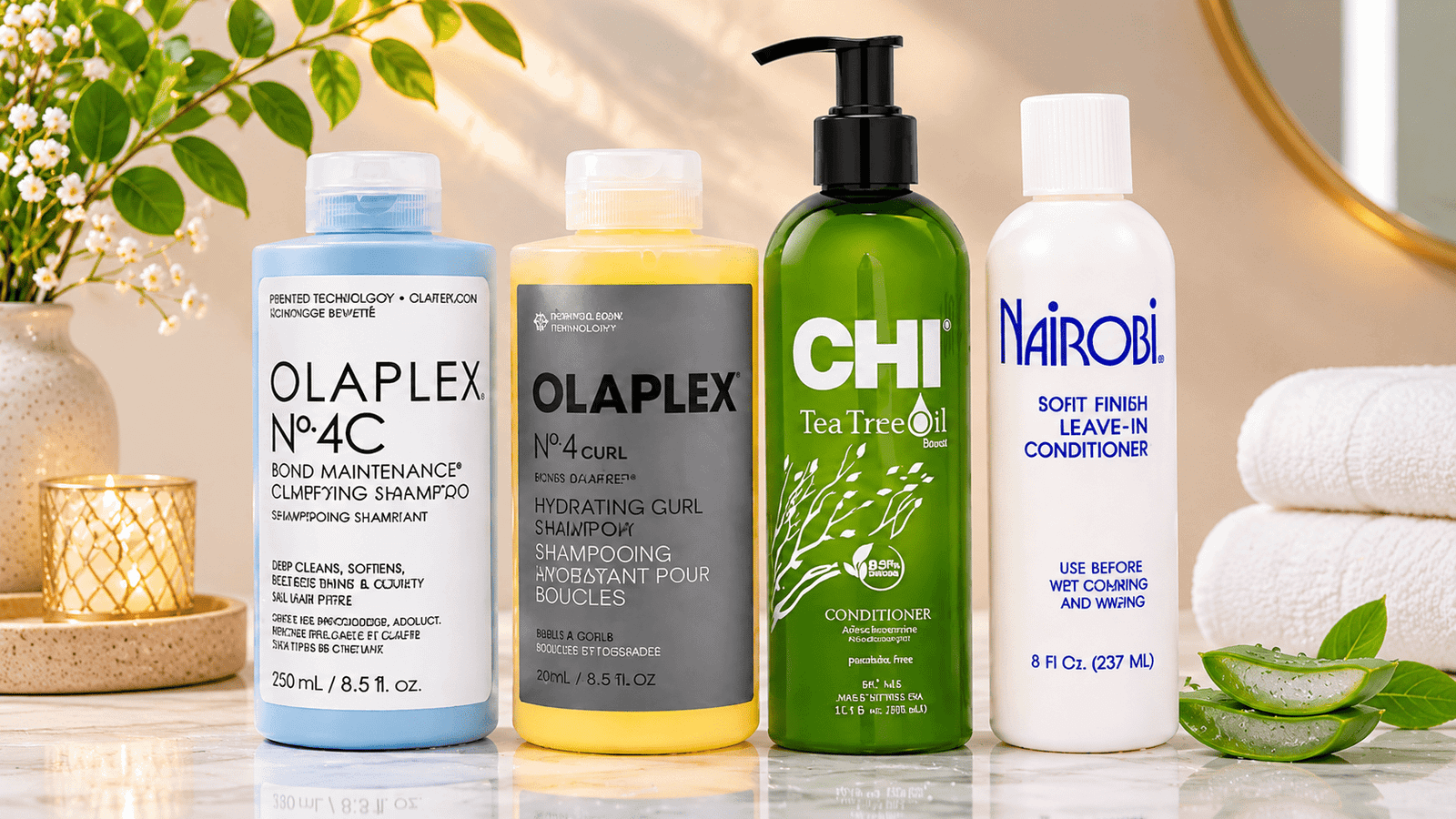
OLAPLEX No.4C Clarifying Shampoo 250ml is designed to remove impurities and product residue, making it worth considering when your hair needs a deeper cleanse.
Use a clarifying shampoo when needed rather than automatically replacing your regular shampoo with it.
2. Hydrating Shampoos for Curly Hair
If you have low porosity hair with a curly or coily texture, choose a shampoo that cleanses effectively while supporting softness and manageability.
OLAPLEX No.4CURL Hydrating Curl Shampoo 250ml is formulated for curly hair and is marketed as suitable for different porosity levels.
Follow with a suitable rinse-out conditioner for a balanced wash-day routine.
3. Lightweight Moisturising Conditioners
A lightweight conditioner can help improve softness and detangling without leaving your hair feeling unnecessarily heavy.
CHI Tea Tree Oil Conditioner 340ml offers a refreshing conditioning option for those looking to maintain softness and manageability.
Apply conditioner through the mid-lengths and ends, following the instructions on the packaging.
4. Lightweight Leave-In Conditioners
A suitable leave-in conditioner can make low porosity hair easier to manage between wash days.
Nairobi Soft Finish Leave-In Conditioner 237ml is a lightweight, no-rinse conditioning product designed to support softness and easier detangling.
Start with a small amount on damp hair and increase gradually if needed.
5. Hair Creams and Lightweight Oils
When choosing a hair cream for low porosity hair, look for a formulation that spreads easily and does not leave excessive residue. Lightweight, water-based creams and lotions may be useful options.
Small amounts of jojoba, argan or grapeseed oil may also help improve lubrication and shine.
Remember that the suitability of any product depends on its complete formulation, your hair texture and how your strands respond to regular use.
How to Build a Low Porosity Hair Care Routine
Looking after low porosity hair doesn’t have to involve an expensive collection of products or a complicated wash-day routine. The key is choosing suitable products, applying them correctly and understanding how your hair responds. Follow these six simple steps to keep your hair feeling soft, manageable and free from unnecessary product buildup.
Step 1: Wet Your Hair Thoroughly
Start by rinsing your hair with comfortably warm water. Low porosity hair can take longer to become fully wet, so give yourself enough time before applying shampoo.
If you have thick, curly or coily hair, divide it into smaller sections to help the water reach every part of your hair more evenly. Avoid excessively hot water, as it may irritate your scalp.
Step 2: Cleanse Your Scalp and Hair
Choose a shampoo that suits your scalp and hair care needs. Gently massage it into your scalp using your fingertips, then rinse thoroughly to remove excess oils, dirt and styling product residue.
If your low porosity hair regularly feels heavy or coated, consider using a clarifying shampoo occasionally to remove accumulated buildup.
Step 3: Apply a Moisturising Conditioner
Work a suitable conditioner through the mid-lengths and ends of your hair, paying particular attention to areas that feel dry or difficult to detangle.
Leave the conditioner on for the recommended time before rinsing. If the product is suitable for use with gentle warmth, wearing a shower cap may help maintain warmth during conditioning.
Always follow the manufacturer’s instructions and avoid excessive heat.
Step 4: Use a Lightweight Leave-In Product
Once you have rinsed out your conditioner, gently remove excess water using a soft towel or cotton T-shirt.
Apply a small amount of lightweight leave-in conditioner to damp hair, working through individual sections for even distribution.
When moisturising low porosity hair, start with less product and gradually increase the amount if needed. This can help maintain softness without leaving your strands feeling greasy or weighed down.
Step 5: Style Without Overloading Your Hair
Choose styling products that suit your hair texture and the look you want to achieve. Whether you prefer defined curls, protective hairstyles or a simple everyday style, avoid applying more product than your hair needs.
If your hair starts feeling sticky or heavy, reduce the amount of cream, gel or oil you use. A simpler styling routine may deliver better results than layering several products together.
Step 6: Protect Your Hair Overnight
Your hair care routine doesn’t have to end at bedtime. Wearing a satin bonnet or sleeping on a smooth satin pillowcase may help reduce friction and minimise tangling.
If you have longer hair, loosely secure it before going to sleep. This can make your morning routine easier and reduce the need to apply additional styling products every
Best Ingredients for Low Porosity Hair
Understanding ingredients can help you make more informed decisions when purchasing hair care products.
However, the performance of a product depends on its complete formulation rather than one ingredient alone.
| Ingredient | Potential hair care benefit |
|---|---|
| Aloe vera | Lightweight conditioning in suitable formulations |
| Glycerin | Helps attract and retain water within formulations and on hair |
| Panthenol | Supports conditioning and manageability |
| Jojoba oil | Provides lubrication and helps improve softness |
| Argan oil | Helps improve shine and reduce friction |
| Grapeseed oil | Offers a relatively lightweight oil option |
| Conditioning agents | Help improve detangling and reduce static |
Not every ingredient will suit every individual. Pay attention to how your hair feels after using a product rather than selecting it solely because it contains a popular ingredient.
Common Low Porosity Hair Care Mistakes to Avoid
Even with the right products, certain everyday habits can make low porosity hair feel dry, heavy or difficult to manage. Recognising these common mistakes and making small adjustments to your routine can help improve softness, reduce product buildup and make styling easier.
Applying Too Many Products
It can be tempting to apply extra creams, oils and leave-in conditioners when your hair feels dry. However, layering too many products on low porosity hair may leave your strands feeling greasy, sticky or weighed down.
Start with a simple routine and use small amounts of each product. Introduce additional products only when your hair needs them.
Skipping Regular Cleansing
When oils and styling products accumulate on your strands, your hair may begin to feel dull, heavy or difficult to manage.
Regular cleansing is particularly important for low porosity hair that develops product buildup easily. Choose a washing schedule that suits your scalp, lifestyle and styling habits. An occasional clarifying shampoo may also help remove stubborn residue.
Using Excessive Heat
Although gentle warmth may be useful during conditioning when recommended by the product manufacturer, excessive heat can damage the hair fibre over time.
If you regularly use hairdryers, straighteners or other heated styling tools, apply a suitable heat protectant and use the lowest effective temperature. Give your hair a break from heat styling whenever possible.
Assuming All Protein Products Are Unsuitable
A common misconception is that low porosity hair should always avoid protein-based products. However, whether your hair benefits from protein depends on its condition, the product formulation and how frequently you use it.
If a protein treatment leaves your strands feeling stiff, rough or difficult to manage, reduce how often you use it or switch to a suitable moisturising conditioner.
Pay attention to how your hair responds rather than following strict ingredient rules.
Relying on Oils Alone for Moisturising
Hair oils can help improve shine, softness and lubrication, but they cannot replace water-based moisturising products.
When caring for low porosity hair, start by applying a lightweight leave-in conditioner to damp strands. If your hair needs additional conditioning, finish with a small amount of suitable hair oil.
This balanced approach may help improve manageability without creating an unnecessarily heavy coating.
How to Moisturise Low Porosity Hair Without Product Buildup
Keeping low porosity hair feeling soft and moisturised does not necessarily require heavier products or a complicated routine.
Start by applying a lightweight, water-based leave-in conditioner to clean, damp hair. Work through small sections to distribute the product evenly, paying particular attention to the lengths and ends.
Allow the product to settle before deciding whether your hair needs additional cream or oil. Applying several products at once can make it difficult to identify which formulation works best for your strands.
If your hair feels coated, sticky or unusually heavy, reduce the amount of styling product you use and review your cleansing routine.
The aim is to maintain softness and manageability without unnecessary product buildup.
Frequently Asked Questions
Is Low Porosity Hair Good or Bad?
Neither. Lower porosity is a characteristic of the hair fibre, not an indication of poor health. It may simply require different conditioning and styling techniques.
Why Does My Low Porosity Hair Feel Dry After Moisturising?
Your hair may feel dry if your conditioner does not provide sufficient lubrication, if styling products are creating excessive residue or if your cleansing routine needs adjusting.
Try applying a lightweight conditioner to clean, damp hair and using smaller quantities of styling products. Observe how your hair responds before adding further products to your routine.
Is My Hair Low or High Porosity?
Observe how easily your hair becomes wet, whether products leave residue and how your strands respond to conditioning. At-home tests may offer clues, but they cannot provide a definitive measurement.
How Often Should You Wash Low Porosity Hair?
There is no universal washing schedule. Washing once or twice a week may suit some people, while others require more frequent cleansing depending on scalp condition, activity levels and styling product usage.
Does Low Porosity Hair Need Protein?
It may benefit from appropriately formulated protein-containing products, particularly if the hair is damaged. Choose treatments based on your hair’s condition and response rather than assuming all protein products should be avoided.
Which Oils Are Best for Low Porosity Hair?
Lightweight oil formulations containing jojoba, argan or grapeseed oil may suit hair that becomes weighed down easily. Apply small quantities and adjust according to your hair’s response.
Can Low Porosity Hair Become High Porosity?
Damage caused by bleaching, chemical treatments, excessive heat and repeated mechanical stress can increase hair porosity over time. Gentle handling and responsible styling can help minimise further damage.
Conclusion
Caring for low porosity hair becomes easier when you understand how your strands respond to water, conditioners and styling products. Rather than relying on heavy creams or complicated routines, focus on effective cleansing, suitable conditioning and lightweight products that leave your hair feeling soft and manageable.
Start with small changes, observe how your hair responds and adjust your routine according to its individual needs.
Looking for products to improve your routine? Explore the hair care collection at Beauty Fusion and discover shampoos, conditioners and moisturising essentials for your hair care needs across the UK.
One Response