
Exploring Sosoactive: The Interactive Media Platform Shaping Millennial Culture

Introduction to Sosoactive In the evolving landscape of interactive media, Sosoactive stands out as a notable platform founded with the aim of resonating with the millennial audience. This innovative platform was designed to cater to the dynamic preferences of a generation that values inclusivity and diverse cultural narratives. Sosoactive’s mission is to create a space where entertainment, cultural discussions, fitness awareness, family dynamics, and political views can intermingle, fostering a vibrant community. From its inception, Sosoactive has prioritized understanding the nuanced needs of millennials, who seek not only engagement but also meaningful interactions. By curating content that reflects the varied interests of this demographic, Sosoactive delivers a unique value proposition within the interactive media landscape. Users are encouraged to participate actively, creating a feedback loop that enhances content relevance and engagement. The value Sosoactive offers extends beyond mere entertainment; it engages users in topics that resonate with their daily lives, including fitness and well-being, which are increasingly important in today’s society. Additionally, the platform serves as a conduit for discussing family relationships, a pressing issue for many millennials navigating adulthood. Political discussions also find a home within Sosoactive, aligning with a generation notably interested in civic engagement and social change. Furthermore, Sosoactive employs an intuitive interface, simplifying the user experience and making it accessible to a wide audience. By leveraging technology to deliver engaging content, Sosoactive not only captures the attention of the millennial generation but also fosters a sense of community through shared experiences and dialogues. Entertainment and Cultural Offerings Sosoactive serves as a dynamic platform that embraces the essence of modern entertainment and cultural expression, catering specifically to millennial users. With its diverse range of media content, including articles, videos, and podcasts, Sosoactive provides a rich tapestry of cultural narratives that resonate deeply with this generation. The content is thoughtfully curated to reflect millennial interests, ranging from lifestyle trends and social justice issues to technological innovations and entertainment reviews. Articles on Sosoactive often dive into topics that matter most to millennials, ensuring that users are not only informed but also engaged. These writings spark discussions, encouraging user interaction through comment sections and social media sharing. This interactive nature empowers users to express their views, contribute to ongoing conversations, and foster a sense of community among peers. By offering a mix of thought-provoking content and entertaining media, Sosoactive effectively captures the multifaceted interests of its audience. In addition to written content, Sosoactive’s video offerings showcase cultural moments and unique perspectives, further enriching the user experience. These videos often include interviews with artists, influencers, and thought leaders who share their insights into contemporary culture. Podcasts hosted on the platform delve into various themes relevant to millennials, combining entertainment with education in a way that encourages deep listening and reflection. Key features such as polling, sharing, and user-generated content allow for active participation, enabling millennials to shape the cultural landscape as content creators themselves. By prioritizing community engagement and reflective dialogues, Sosoactive has carved a unique space within the entertainment sector, making it a vital resource for millennials seeking both inspiration and connection in their cultural journeys. Fitness and Family Focused Content Sosoactive stands out as a significant contributor to the wellness movement among millennials, especially through its emphasis on fitness and family-oriented content. By offering a diverse range of fitness programs and resources, Sosoactive caters to individuals and families alike, fostering a healthier lifestyle through various interactive activities and guidance. The platform features numerous workout routines that can be easily incorporated into busy family schedules. These programs are designed to suit different fitness levels, making them accessible for all family members, ensuring that both parents and children can participate together. From yoga sessions aimed at relaxation and mindfulness to high-energy workouts meant for quick calorie burn, Sosoactive ensures that fitness becomes a fun and integral part of family life. In addition to structured workout plans, Sosoactive also provides valuable tips and advice focused on family wellness. This includes nutrition guidance tailored to family meals, which can help ease the cooking process while promoting healthy eating habits. By integrating fitness and dietary advice, Sosoactive nurtures an environment where families can support each other in their wellness journeys. The platform further fosters community by creating forums and groups where users can share their experiences and challenges. This collaborative approach not only provides motivation for families striving to maintain a fitness routine but also strengthens the bonds between them as they embark on this health journey together. Through Sosoactive, fitness is not merely an individual pursuit; it is a path that families can walk together, enriching their relationships and improving their overall well-being. Political Opinions and Engagement Sosoactive has emerged as a vital platform for millennials seeking to engage with political discourse and activism. By providing a space that encourages dialogue on contemporary issues, Sosoactive promotes critical thinking among its users. The platform fosters an environment where young people can explore diverse perspectives, discuss their political opinions, and understand the various factors influencing societal matters. This intentional focus on political content allows users to feel empowered to express their views and challenge prevailing narratives. Through a combination of interactive features, Sosoactive enables millennials to participate in conversations surrounding important elections, social movements, and policy changes that directly impact their lives. By utilizing polls, discussion forums, and live events, the platform breaks down barriers to entry for political engagement, making it accessible to all users regardless of prior knowledge or experience. This inclusive approach not only educates millennials about pressing issues but also normalizes active participation in political processes. Moreover, Sosoactive actively champions activism by highlighting initiatives and campaigns led by grassroots organizations. By elevating the voices of young activists, the platform helps raise awareness about critical issues such as climate change, social justice, and equity. This exposure encourages users to engage with these topics and motivates them to take action, whether through volunteering, attending rallies, or sharing information within their own networks. The platform’s ability to drive engagement and activism positions it
Rubbing Alcohol Uses, Safety & Tips
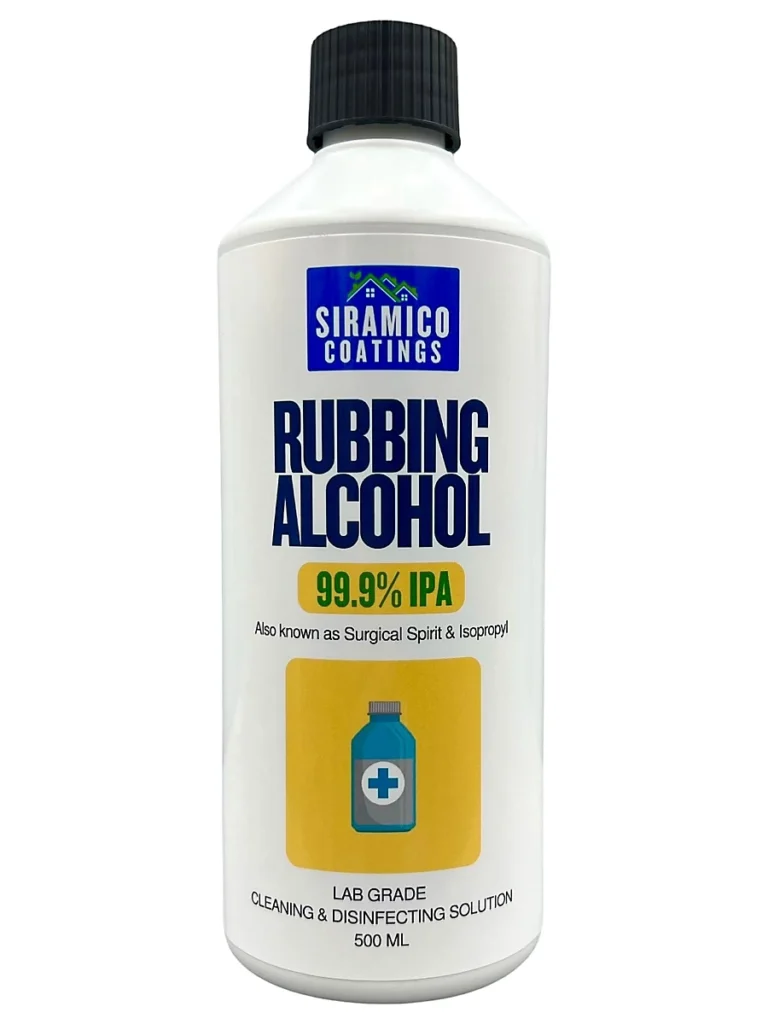
What Exactly Is Rubbing Alcohol? Rubbing alcohol refers to a liquid solution of isopropyl alcohol (IPA) mixed with water, commonly sold at around 70% strength. This specific concentration maximises its disinfecting power, because the presence of some water helps the alcohol penetrate microbial cell walls more effectively than very high concentrations. The remaining percentage is typically water and sometimes denaturants to prevent ingestion. It’s sometimes confused with other types of alcohol like ethanol, but in household and personal use contexts in the UK, the term usually refers to IPA-based solutions. What Most Pages Don’t Tell You — Beyond the Basics Many top pages cover the general disinfecting and cleaning uses of rubbing alcohol, but they often miss these important details: 1. Why 70% Works Best While some sources mention strength, few explain that 70% IPA is more effective than very high concentrations — because the added water slows evaporation and allows better microbe penetration. 2. Chemical Mechanism Isopropyl alcohol doesn’t just “kill germs” — it denatures proteins and dissolves lipid membranes, which is why it’s effective against bacteria and many viruses. This molecular action is why it’s valuable for first-aid kits and hygiene maintenance. 3. Difference From Other Alcohol Types People often confuse rubbing alcohol with surgical spirit or drinking alcohol, but its intended use is external only and it should never be consumed. The “rubbing” in its name emphasises external use. 4. Misconceptions Around Skin Use People sometimes think alcohol is a good skin toner or acne remedy, but it can strip natural oils and irritate sensitive skin due to its drying and astringent properties. Core Uses of Rubbing Alcohol Here are the most practical and effective ways rubbing alcohol can be used — including clever ideas that go beyond standard lists: 1. Disinfecting and Sanitising Rubbing alcohol is widely used to kill bacteria and many viruses on surfaces, tools and implements. It’s ideal for sanitising items that can tolerate quick drying without residue. In first-aid, a 70% rubbing alcohol solution is commonly applied with a cotton pad to clean minor cuts and scrapes, helping reduce the risk of infection. 3. Cleaning Electronic Devices Because it evaporates quickly and doesn’t leave moisture behind, rubbing alcohol is great for sanitising phones, keyboards, remotes and other high-touch devices. 4. Deodorising and Odour Control Spraying a diluted solution inside shoes or on sweaty fabrics can kill smell-causing bacteria, helping reduce odours without leaving dampness. 5. Sticky Residue Removal Rubbing alcohol dissolves adhesive bond residue from labels, stickers and tape without harsh scraping. 6. Homemade Ice Packs Mixed with water in a sealed bag, rubbing alcohol creates a flexible ice pack that won’t freeze solid — perfect for sore muscles or injuries. 7. Quick Nausea Relief (Odd Tip) Some evidence suggests inhaling vapour from alcohol-soaked pads can help suppress postoperative nausea — a surprising effect that shows how rubbing alcohol interacts with sensory systems. 8. DIY Sanitiser Base Rubbing alcohol can be combined with moisturisers like aloe vera gel to create a homemade hand sanitiser with over 60% alcohol content — enough to help kill microbes. Surprising Uses You Might Not Know While most pages list the obvious uses above, they often skip creative or overlooked applications: 9. Cleaning Jewelry and Accessories Soaking non-porous pieces in rubbing alcohol can remove build-up and restore shine. 10. Clearing Bathroom Grime Used sparingly, alcohol can cut through hard water spots, toothpaste splatter and bathroom disinfectant build-up. 11. Window and Mirror Shine Rubbing alcohol diluted with water can give a streak-free finish on glass surfaces — faster than many branded cleaners. When Not to Use Rubbing Alcohol Many guides forget to warn about situations where rubbing alcohol should not be used: Not on Open Wounds Using alcohol on deeper cuts or open wounds can damage tissue and slow healing. It’s best for around the affected area only. Not as a Fever Treatment Old remedies suggested using alcohol to cool the body, but it can be absorbed into skin and cause systemic toxicity — especially dangerous in children. Not on Sensitive Skin as a Toner Although it tightens pores, it strips oils and can worsen dryness or irritation. Avoid Mixing With Bleach Combining these two chemicals can produce toxic fumes that are dangerous to breathe. Not Near Flames Rubbing alcohol is highly flammable. Keep it away from heat sources, sparks or open flames. How to Use Rubbing Alcohol Safely Safety is paramount when using this potent disinfectant and solvent. Many top pages don’t emphasise these best practices: ✔ Use in Well-Ventilated Areas Good airflow helps dissipate fumes quickly, reducing irritation. ✔ Protect Your Skin Whenever you use rubbing alcohol on your hands or skin, follow with a moisturiser to replenish natural oils. ✔ Label Clearly If you decant alcohol into other bottles, label them to prevent accidental ingestion. ✔ Store Out of Reach Keep bottles out of reach of children and pets to avoid accidental swallowing. ✔ Avoid Large-Area Application Using alcohol over large body areas increases absorption and potential systemic effects — keep topical use small and targeted. Understanding Concentrations and What They Mean Rubbing alcohol is available in various strengths Higher concentrations dry too quickly to effectively kill microbes, so they’re generally better for tools and surfaces than skin. Myths vs. Facts A few persistent myths about rubbing alcohol are worth correcting: “Rubbing alcohol cleans better than soap and water” ✔ It’s a disinfectant, but handwashing with soap and water remains essential for removing dirt and some viruses. “Alcohol evaporates instantly, so it’s harmless” ✔ Even though it evaporates quickly, the vapour and skin absorption can still cause harm if misused. “All alcohols are the same” ✔ The type of alcohol matters — isopropyl is not the same as ethanol, and neither should be consumed. Everyday Practical Tips Here are some real-world tips that go beyond simple lists: Test on Small Areas First Before cleaning fabrics or painted surfaces, test rubbing alcohol on an inconspicuous area. Use Cotton Swabs for Tight Spots Tiny brushes or
Fresh Scent Explained: Meaning, Benefits & How to Choose
What Is a Fresh Scent? — Beyond the Basics A fresh scent is not just any pleasant smell. In fragrance theory, it generally refers to light, airy, invigorating aromas that evoke cleanliness, nature, or coolness. It’s often used to describe scents that feel uplifting and energising rather than rich, heavy, or sensual. In the perfume world, fresh fragrances sit on the top of the fragrance pyramid, often dominated by citrus, green, aquatic, herbal, or airy aromatic notes. They are usually associated with daytime wear and casual elegance. Interestingly, in olfactory science, scents perceived as fresh are often correlated with volatility — meaning they evaporate quickly and are detected first in a fragrance’s evolution. Why “Fresh” Is Not Just One Smell It might seem like a simple concept, but fresh is actually multi-dimensional. Citrus & Zesty Notes Lemons, limes, bergamot and grapefruit bring brightness and sparkle — classic hallmarks of a fresh scent. Aquatic & Marine Notes Think sea breeze, rain-washed linen, or ocean spray — these evoke cleanliness and nature. Green Herbal Notes Mint, basil, rosemary or freshly cut grass give a green freshness tied to vegetation. Light Floral & Aldehydic Notes Top notes that are delicate — like soft white blossoms — can also read as fresh when blended with citrus. What Most Articles Miss — Deeper Insights About Fresh Scent ✔ 1. Fresh Scent Is a Perception, Not a Guarantee of Cleanliness A fresh scent can make a product feel clean — like freshly washed laundry or cool air — but it doesn’t always mean the product actually cleans better. This misuse of the term is common in home-care product marketing. ✔ 2. Freshness Is Part of a Scent Family Perfumers categorise fragrances into families like floral, oriental, woody, gourmand — and fresh sits as its own recognised category, often viewed as opposite to warm or heavy base notes. ✔ 3. Fresh Can Evoke Emotion and Memory A fresh scent often triggers memories of breezy mornings, cool seaside air, or clean laundry — this sensory connection is why it can feel rejuvenating or uplifting, beyond simple fragrance design. ✔ 4. Not All Light Scents Are Truly Fresh Some light floral or delicate notes may feel “pretty” but lack the crisp clarity associated with true freshness. Knowing how to recognise the notes behind the effect helps you choose better products. How “Fresh Scent” Works in Different Product Types Perfumes & Colognes In fine fragrance, a fresh scent is usually a top note characteristic that gives the first impression of brightness and vitality. Citrus, watery, and green notes predominate here. Body Sprays and Deodorants Here, a fresh scent often signals a crisp, clean aroma designed to mask body odours and enhance personal confidence throughout the day. Home Fragrance & Cleaning Products Fresh scents in this category aim to create a clean, inviting environment, but it’s important to note that a pleasant smell doesn’t automatically mean deep cleaning is taking place. Skincare & Wash Products Fresh scented skincare can feel invigorating and energising in daily routines — particularly in morning showers — but for those with sensitive skin, the strength of fragrance matters. Psychology of Fresh Scents — Why We Love Them Fresh scents often provoke emotional responses like clarity, energy, and calm. Because they mimic natural experiences (like sea air or morning dew), they can reset mood and help anchor routines. This psychological side is rarely covered in shallow overviews. How to Choose a Truly Fresh Scent Many people confuse “light” with “fresh,” but they are not the same. Here’s how to tell a fresh scent from other light or sweet fragrances: Look for: When and Where Fresh Scents Work Best Fresh scents are extremely versatile, but they truly shine in these scenarios: ✔ Everyday daytime wear — light and non-intrusive✔ Work or professional settings — subtle and polished✔ Warm weather or outdoor events — cool and refreshing✔ Post-exercise or shower routines — clean and energising They are generally perceived as uplifting and neutral, making them suitable across various lifestyles. Fresh Scent vs. Clean or Soapy A fresh scent is associated with cleanliness, but it’s distinct from a soapy or clean scent concept. Fresh refers more broadly to crispness and brightness, while clean often implies a soapy or laundry-like smell. This subtle nuance is seldom explained. What Fresh Scent Isn’t It’s also important to understand what fresh scent does not mean: It doesn’t guarantee a product has cleaning power It doesn’t always mean a scent is gentle — some people are sensitive It’s not a formal scientific descriptor, but a sensory perception category Fresh Scent in Daily Life — Practical Uses Here’s how you can incorporate fresh scents consciously into your routines to improve mood, energy, and environment: Morning Ritual Start your day with a conditioner or body wash with a fresh scent to wake up your senses. On the Go Keep a fresh-scented body spray or hand mist to refresh midday energy. Home Ambience Use fresh scented diffusers in living spaces for a bright and inviting atmosphere. Pre-Bed Routine Lighter fresh scents can also calm the mind if balanced with soothing lavender or herbal notes. Sensitivity & Choosing Wisely Because “fresh scent” is a broad term, products labelled with it vary widely. If you have sensitive skin or allergies, consider: Opting for natural essential-oil-based fragrances Avoiding overly synthetic volatile compounds Patch testing before full usage The Future of Fresh Scents As fragrance technology evolves, we’re seeing: More clean-label fresh scents with fewer synthetic additives Fresh notes integrated into sustainable personal-care formatsAI-guided personalised scent recommendations based on mood profiles
Organic Neem Powder Benefits & Uses for Skin & Hai
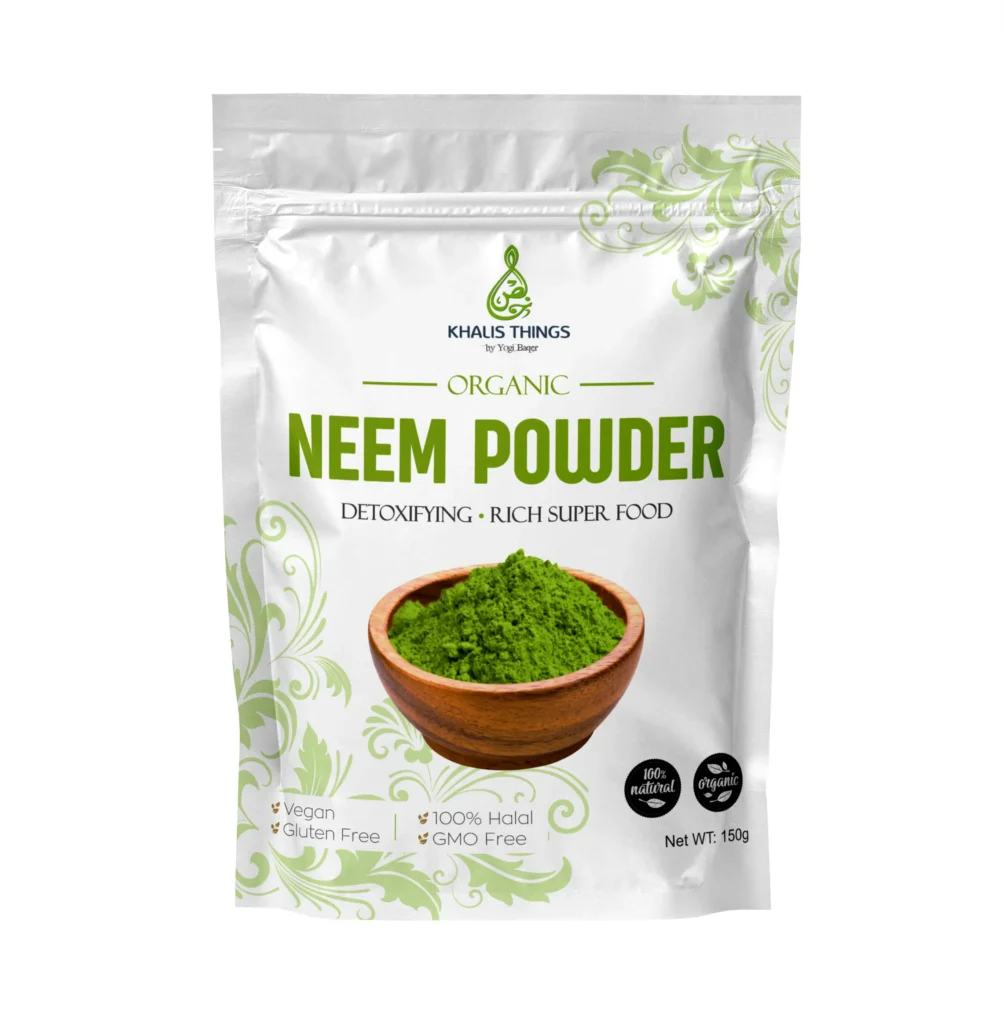
What Is Organic Neem Powder? Organic neem powder is made by carefully drying and grinding leaves of the neem tree (Azadirachta indica), a plant long revered in traditional remedies and Ayurvedic approaches. The powder comes from the leaves, which are rich in naturally occurring compounds including antioxidants, fatty acids, anti-inflammatory agents, and microbiome-supporting plant chemicals. Certified organic versions are grown without synthetic pesticides or additives and undergo testing for purity. While many introductory pages mention its general uses for skin or hair, few explain why the whole leaf powder — rather than just oil or extract — provides a broader range of benefits, including fibre content, micronutrients, and a spectrum of bioactive compounds. What Most Pages Don’t Tell You — The Hidden Benefits of Neem A lot of resources repeat similar points — anti-bacterial, anti-fungal, helps with acne and dandruff — but they often miss deeper insights. Here’s what sets this guide apart. 1. How Organic Neem Powder Works on Skin and Hair The compounds in neem — such as nimbolide, azadirachtin, and nimbin — interact with biological systems in ways that go beyond simple moisture retention. Some of these: This biochemical action is why neem powder can be a foundational ingredient in masks and pastes that address both external and internal factors affecting skin and hair health — not just on the surface. 2. pH Balance and Scalp Health Many top pages discuss neem’s antibacterial qualities, but they don’t connect it to scalp pH balance — a factor crucial for preventing dandruff, itching, and irritation. Neem powder’s natural chemistry helps restore a slightly acidic scalp environment, which is protective and can inhibit fungal overgrowth. 3. Role of Particle Size and Purity Organic neem powder isn’t just ground leaves — the finely milled quality determines how well it can form smooth pastes and how evenly it can distribute on skin and hair. Coarse powders may be too rough on sensitive skin or hard to blend into masks. Certified organic powders are often micro-fine, which enhances usability. Proven Benefits of Organic Neem Powder Now let’s explore the benefits that matter most — and many guides gloss over: ✔ 1. Deep Skin Cleansing and Detoxification Neem powder’s antibacterial and anti-inflammatory properties make it excellent for clarifying skin impurities, clearing blackheads, and reducing blemishes. It helps detoxify pores and supports clearer, more even-toned skin. ✔ 2. Scalp Care and Dandruff Control Mixed with water or other natural ingredients, neem powder helps reduce flaking and itchiness by addressing underlying microbial imbalances that contribute to dandruff. ✔ 3. Hair Strengthening and Growth Support Neem supports healthy hair by nourishing the scalp and follicles, promoting stronger roots and helping reduce breakage and hair fall — especially when used as part of a weekly hair mask routine. ✔ 4. Oil Regulation and Acne Management For oily or combination skin types, neem powder’s antibacterial profile can help balance excess sebum and assist in reducing acne and skin irritation. This is a key benefit often mentioned in passing, but not explained well in most guides. ✔ 5. Natural Antioxidant Effects Rich in antioxidants, organic neem powder helps protect skin and hair against environmental stressors that contribute to dullness, dryness, and signs of ageing. How to Use Organic Neem Powder — Step-by-Step Guide The way you use neem powder makes a big difference to results. Most pages simply say “mix with water,” without guidance on ratios, timings, or what to combine it with for advanced results. 1. For Skin Care Basic Clarifying Mask This helps draw out impurities and reduce breakouts. Enhanced Acne Targeting Mask 2. For Scalp and Hair Basic Neem Scalp Mask This improves circulation and helps clear sebaceous buildup. Nourishing Hair Strength Mask Organic Neem Powder in Daily Wellness While some pages mention internal use, they don’t explain how to introduce it safely into diets: Always start with small amounts and consult a healthcare provider before internal use. Safety, Sensitivity, and Precautions One area almost all top pages fail to cover deeply is how to use neem powder safely, especially for newbies. 1. Patch Test First Before using neem paste on your face or scalp, apply a small amount on the inner arm to test for sensitivity or reactions. 2. Avoid Prolonged Daily Use on Skin Neem’s strong effects may be too intense if used daily on sensitive or dry skin. Limit deep masks to once a week for most skin types. 3. Pregnancy and Medical Conditions If you’re pregnant, breastfeeding, or have underlying health conditions, consult a healthcare professional before consuming neem internally. 4. Not Recommended for Children Without Advice Neem’s potency calls for cautious use, particularly when introducing it into a family wellness routine. Matching Neem Use to Your Skin & Hair Type Customising how you use organic neem powder based on your individual needs enhances results — something most pages don’t address. Oily Skin or Scalp Use neem powder masks weekly to regulate sebum and reduce greasiness. Sensitive or Dry Skin Add soothing ingredients like aloe vera or honey to neem masks and use less frequently. Curly or Textured Hair Combine neem powder with rich oils like coconut or castor for deeper nourishment and frizz control. Fine Hair Avoid heavy mixes; use small amounts to prevent weighed-down strands and focus more on scalp masks than hair length applications. Internal Uses and Wellness Benefits Some users enjoy neem powder’s internal effects, which many guides only mention briefly: Common Myths vs. Facts There’s a lot of misinformation about neem powder online. Let’s clear up a few: Myth: Neem is only for skin and hair ✔ Truth: Neem’s properties also extend to internal wellness, antioxidant support, and inflammatory modulation. Myth: Neem powder can replace medical treatments ✔ Truth: Neem supports healthy skin and scalp, but shouldn’t replace prescribed treatments for serious conditions. Myth: More neem is always better ✔ Truth: Overuse can irritate sensitive skin or upset natural balance; smart, tailored use is best.
Carbolic Soap UK: Deep Cleansing Uses & Complete Guide
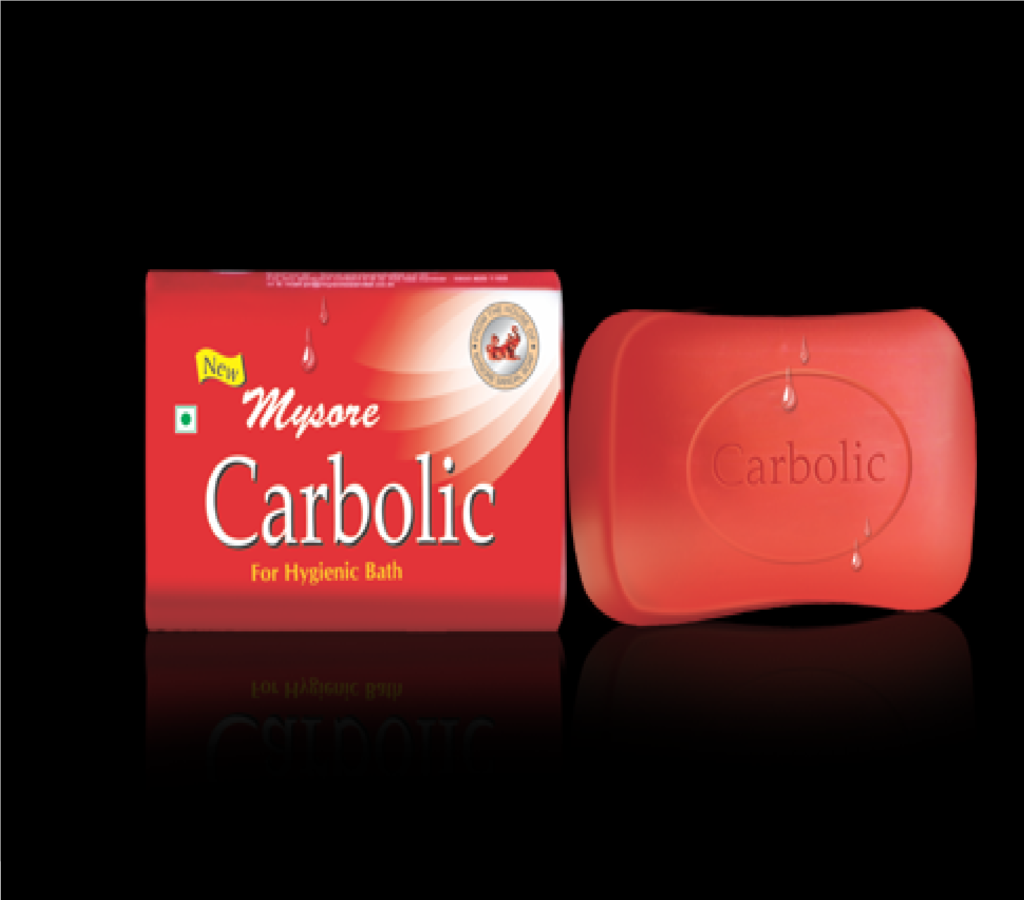
What Is Carbolic Soap? Carbolic soap is a type of bar soap with mild antiseptic properties derived from compounds such as carbolic acid (phenol) and cresylic acid. Historically used for hygiene and sanitation, it has a characteristic strong scent and deep cleansing action that many associate with classic British bathrooms. Originally introduced in the 19th century, carbolic soap was once widely used in healthcare settings due to its germ-killing effects. One of its defining features is its older, clinical fragrance, which for some evokes nostalgia and a sense of cleanliness. How Carbolic Soap Works Carbolic soap’s effectiveness comes from its antiseptic ingredients which help: This combination makes it especially useful where thorough cleansing is needed. While many modern soaps focus on mildness and fragrance, carbolic soap prioritises antibacterial strength and deep cleansing. That’s why it’s still trusted in some circles for specific needs that go beyond everyday wash gels. Key Benefits Less-Frequently Covered Most pages list basic benefits like hygiene or antibacterial use — but deeper advantages deserve attention too: 1. Clarifying Skin Protocols Carbolic soap excels at reducing oily residue and build-up, making it a useful tool for people occasionally needing more thorough clearing than gentle soaps provide. This can be helpful before applying certain skincare treatments that work best on a truly clean surface. 2. Multi-Purpose Uses Beyond Hygiene While commonly used for personal washing, carbolic soap can also be effective for tough laundry stains, cleaning tools, and deep household scrubbing where grease and embedded dirt are concerns. 3. Skin Condition Management (in Specific Cases) Some people find that carbolic soap helps alleviate mild acne or body breakouts due to its strong cleansing and antimicrobial action. However, this benefit depends on individual skin types and tolerance. 4. Historical and Cultural Value For many in the UK, carbolic soap carries a heritage value — reminding older generations of familiar public washrooms or wartime hygiene practices. What Most Guides Don’t Explain After reviewing top content around carbolic soap UK, there are several gaps that aren’t typically addressed: 1. How It Compares to Everyday Soaps While regular soaps prioritise mildness and moisturisation, carbolic soap works differently — primarily as a deep cleanser and germ fighter. Knowing when to use each type makes a big difference. 2. Suitable Skin Types Not all skin benefits from intense cleaning. People with sensitive or dry skin may experience dryness or irritation if used too often. 3. Safety and Sensitivity Concerns Carbolic ingredients can be strong. Without proper guidance, users may experience dryness, irritation, or even chemical burns with overuse. 4. Best Practices for Use Most pages list uses without explaining how often or in what way to use carbolic soap safely — key to integrating it into a skincare routine without harm. How to Use Carbolic Soap Safely Carbolic soap can be very effective — when used correctly. Here’s how to make the most of it: Use as Needed, Not Daily Due to its potency, reserve it for: Using it every day may strip natural oils from skin. Moisturise Afterwards Follow with a good lotion or cream to replenish moisture removed by the strong cleansing action. Spot Test First If you’ve never used carbolic soap before, test a small patch of skin to check for sensitivity. Avoid on Broken Skin Do not apply to open wounds, cuts, or severely inflamed skin — it can be too harsh. Potential Side Effects and Sensitivity Although carbolic soap has many uses, safety is important: Dryness and Irritation Some users report dryness or redness after use, especially if skin is already dry or sensitive. Moisturising after each use helps prevent this. Strong Scent The classic carbolic fragrance is intense and may be unpleasant to some users, and it can linger on skin longer than milder soaps. Rare Irritation Cases In rare cases, people have experienced significant irritation or discomfort from prolonged use. If this happens, discontinue use and consider gentler cleansers. Everyday Use Cases and Clever Tips Beyond simple washing, carbolic soap can be surprisingly versatile: Pre-Wash Hand Cleanser Before doing heavy household tasks like gardening or mechanics, use the soap to break down grease and embedded dirt. Stain Treatment Rub a bar over tough stains on clothing before machine washing for deeper stain breakdown. Pet Cleaning (with Caution) Some people use carbolic soap when washing animal paws or coats to reduce bacteria — but always check with a vet first due to sensitivity risks. Household Cleaning Grimy surfaces that need a deep scrub (like tiles or outdoor areas) can benefit from a diluted lather. Comparing Carbolic Soap Variants There are a few versions of carbolic soap UK you may encounter: Standard Bars Classic antibacterial bars with phenols that deliver antiseptic action and powerful cleansing. Medicated Bars Enhanced with additional antibacterial agents or skin conditioners — often marketed for personal hygiene. Exfoliating Bars Carbolic soaps with added natural exfoliants (such as ground shells) for extra scrub power during bathing. Understanding which type best fits your needs helps you use the product more effectively. Popular Misunderstandings Many people have strong opinions about carbolic soap — and not all are accurate. Let’s clear up a few common misconceptions: “It’s Toxic or Dangerous if Used Normally” At normal soap levels found in consumer bars, carbolic soap is safe for cleansing. It’s much milder than concentrated phenol solutions used in industrial settings. However, misuse (like prolonged exposure without moisturisation) can irritate skin. “It Replaces Medical Treatments” While carbolic soap has antiseptic properties, it’s not a substitute for proper medical treatment on infected wounds or serious skin conditions. “It’s Only for Old-Fashioned Households” Despite its heritage appeal, carbolic soap still has modern uses — especially where deeper cleansing or disinfection is needed. Practical Advice for Modern Lifestyles If you’re thinking of adding carbolic soap to your routine, consider the following smart strategies: Rotate with Milder Soaps Use carbolic soap when necessary and alternate with gentler cleansers on normal days to preserve skin moisture balance. Family Considerations Children and people with very sensitive skin
Shea Butter Shampoo and Conditioner
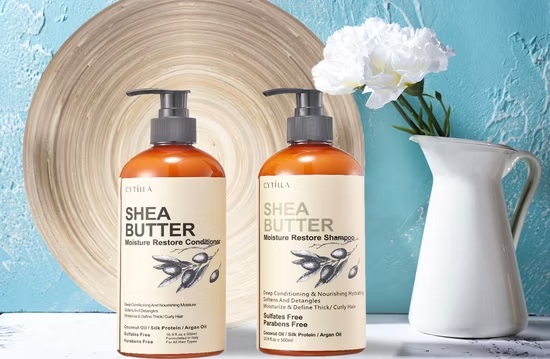
What Makes Shea Butter So Powerful in Haircare? Shea butter is not just a “moisturizing agent” — it’s a rich, multi-functional lipid complex packed with: These components work synergistically to reinforce the hair’s natural lipid barrier, support flexible cuticles, and calm scalp irritation — all while deeply hydrating both hair and scalp. Most superficial guides mention moisture, but not how shea works at a biological level to strengthen hair from the inside out. Why Shea Butter Works Better Than Many Traditional Conditioning Agents Standard conditioners often rely on silicones and synthetic emollients to create surface-level softness. Shea butter goes beyond — it: ✔ Penetrates the hair shaft✔ Improves elasticity over time✔ Supports natural oil balance✔ Helps reduce frizz by sealing cuticles✔ Calms dry, itchy scalp conditions This sets shea butter apart from many other conditioning agents. How Shea Butter Shampoo and Conditioner Work Together Using a shampoo and conditioner with shea butter in tandem is more powerful than using either product alone. The Synergy Most articles treat shampoo and conditioner as separate products — not a system. Understanding that synergy is key to getting real results. What Top Pages Often Miss — The Deeper Benefits After analysing the top results for this topic, here are important points they usually leave out: 1. Scalp Health Integration Most resources focus on softness and hydration, but fail to mention that shea butter can help maintain scalp balance by reducing irritation and supporting healthy sebum production. This is essential for reducing flakes and itchiness. 2. Hair Porosity Matters Hair doesn’t absorb moisture equally. Porosity determines how well your hair takes in and retains moisture. Most pages don’t help you match shea butter shampoo and conditioner to your porosity level. 3. pH Balance Awareness The effectiveness of a shampoo and conditioner duo depends heavily on pH balance — yet very few guides discuss how acid-balanced formulas help close cuticles and enhance sheen. 4. Application Technique Simply “lather and rinse” isn’t enough. Application order, timing, and water temperature change outcomes dramatically. Few sources explain how to use products for maximum absorption. 5. Sensitive Scalp Considerations Some consumers may react to additives, essential oils, or even the texture of shea-infused products. Most guides don’t mention how to adjust routines for sensitive or easily irritated scalps. Real Benefits of Shea Butter Shampoo and Conditioner Now that we’ve addressed the basics, let’s explore actual benefits you’ll experience when using these products correctly and with intention: 1. Deep Penetrating Moisture Shea butter’s fatty acids have a unique ability to absorb into the hair shaft, hydrating from within — not just on the surface. This helps hair look softer and feel healthier in the long term. 2. Cuticle Strengthening The rich lipid profile helps flatten and seal the hair cuticle, reducing roughness and tangles while increasing shine. 3. Improved Scalp Comfort Anti-inflammatory components soothe dryness and minor irritation. This is especially helpful if your scalp feels tight, itchy or flaky between washes. 4. Frizz Control and Flexibility By reinforcing cuticles and smoothing the hair surface, shea butter reduces frizz and enhances flexibility — making styling easier and less damaging. 5. Protection Against Damage Whether from heat styling or environmental stressors, shea butter creates a protective lipid layer that helps resist breakage and strength loss. Personalized Hair Type Guide Choosing and using your shampoo and conditioner properly starts with understanding your hair type: Fine or Straight Hair Choose a lightweight shea butter shampoo and conditioner. Heavy formulas can weigh fine strands down and dull volume. Curly or Wavy Hair This hair type benefits immensely from deeper hydration. Choose richer formulations and allow conditioner to sit longer before rinsing. Coarse or Textured Hair Your hair thrives on rich lipids. A shea butter shampoo and conditioner infused with extra botanical oils helps maintain moisture in challenging climates. Colour-Treated Hair Look for pH-balanced formulas with UV filters and antioxidants to help preserve colour and reduce fading. Choosing the Right Shea Butter Shampoo and Conditioner Here’s what to consider when selecting products: ✔ Ingredients List Aim for products where shea butter is high on the ingredient list — else its effects may be diluted by synthetic fillers. ✔ Sulfate Level Sulfate-free or low-sulfate shampoos help preserve natural oils and prevent dryness. ✔ pH Balance Acidic or neutral formulas help close cuticles and enhance shine after cleansing. ✔ Additives Essential oils like lavender or rosemary can provide additional benefits, but too much fragrance may irritate sensitive scalps. How to Use Your Shea Butter Shampoo and Conditioner Using these products properly maximises their effectiveness: Step 1 — Pre-Rinse Hair with Warm Water Warm water opens cuticles and prepares hair for cleansing. Step 2 — Apply Shampoo Gently Massage shea butter shampoo into the scalp with fingertips. Focus on roots where oil and buildup accumulate. Step 3 — Rinse Thoroughly Ensure all shampoo is removed before conditioning. Residue can weigh hair down or attract dirt. Step 4 — Apply Conditioner Mid-Length to Ends Avoid applying conditioner directly to the scalp unless your conditioner is designed for root hydration. Step 5 — Leave Conditioner On for 3–7 Minutes This allows shea butter to properly absorb and soften hair. Step 6 — Cool Water Rinse This helps close cuticles and lock in moisture for longer-lasting smoothness. Common Mistakes People Make Even natural products can fall short if used incorrectly. Avoid these errors: Using Too Much Product A small amount goes a long way with shea butter formulas. Excess can cause buildup. Skipping Rinse Time Conditioner needs time to work. Rinsing too quickly limits benefits. Washing with Hot Water Hot water opens cuticles — great for shampooing — but it also strips moisture. Always finish with cool water for best results. Omitting Scalp Massage Massage stimulates blood flow to follicles and helps products absorb deeper. Sensitivity and Patch Testing A subtle but crucial step that most pages don’t mention: If you have a sensitive scalp, patch test new products on a small area of skin before full use. Shea butter itself
Rosemary Mint Shampoo Benefits & Expert Guide
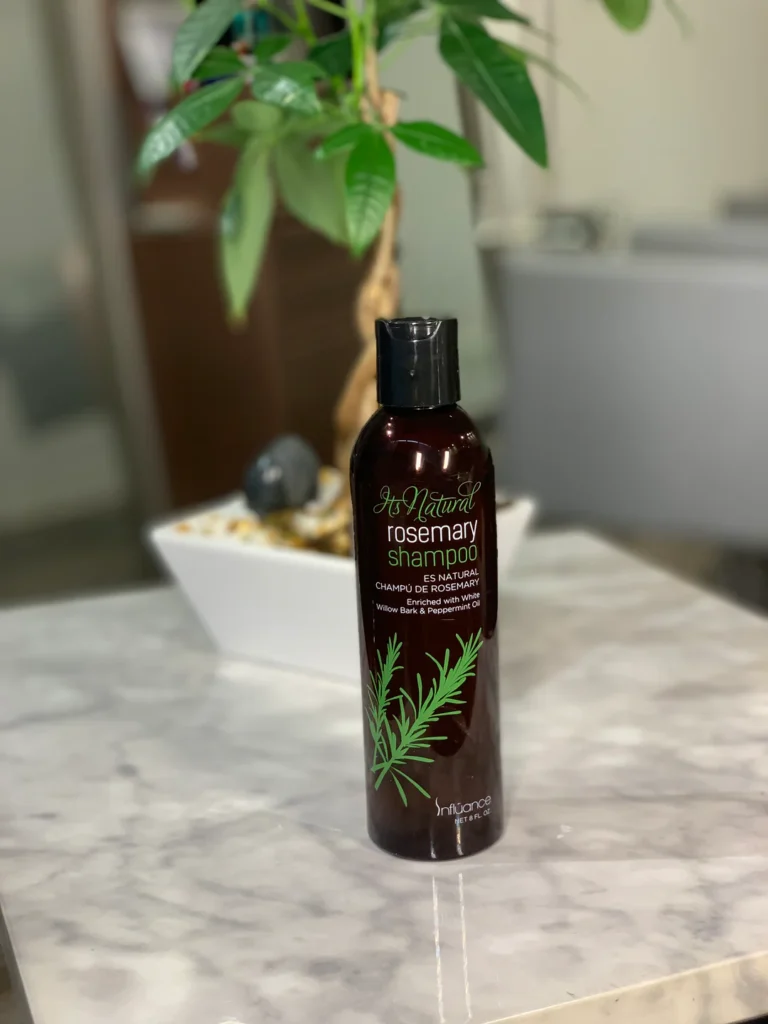
What Rosemary Mint Shampoo Really Is Rosemary mint shampoo is a botanical-based hair cleanser where rosemary extract and mint (often peppermint) are key ingredients. These natural extracts complement each other — rosemary brings scalp stimulation and antioxidant support, while mint delivers a cooling, refreshing sensation and circulation boost to the scalp. This combination is particularly useful for combating buildup, soothing irritation, and supporting a healthier scalp environment. But there’s more to it than just smelling fresh. Understanding the Science Behind the Ingredients Rosemary Extract Rosemary is known for its anti-inflammatory and circulation-boosting properties. When applied topically, it can help improve blood flow to hair follicles — a key element in promoting stronger, healthier strands over time. It also contains antioxidants that may help counteract the effects of environmental stress and free radicals that weaken hair. These properties go beyond generic claims often repeated by brands. Mint (Peppermint or Spearmint) Mint adds a cooling, tingling sensation that not only awakens the senses but can also stimulate the scalp. This sensory effect isn’t merely cosmetic — improved circulation helps transport nutrients more efficiently to roots. The cooling effect also provides immediate relief for irritation, itching, or post-styling stress that can contribute to discomfort. Synergy of Rosemary + Mint Most shampoos focus on one plant benefit — but the duo works better than either alone: ✔ Rosemary helps with circulation and antioxidant protection✔ Mint increases scalp sensory feedback and refreshes buildup✔ Together, they improve overall scalp environment — a missing detail in most summaries. What Most Articles Don’t Explain When you compare the typical top listings, here’s what they miss: 1. Scalp Detox Benefits Cleansing alone isn’t enough for optimal hair health. Rosemary and mint help reduce buildup from styling products, sebum, and environmental pollutants — leading to fresher, more breathable scalp conditions. Most guides don’t explain the detoxifying action these herbs provide. 2. pH Balance & Cuticle Health The right shampoo maintains hair’s natural acidity. A balanced pH seals the cuticles, improving shine and reducing frizz — especially important for dry or curly hair textures. Many pages skip this detail entirely. 3. Tailoring to Hair Types Not all rosemary mint formulas are equal. Some are stronger (clarifying), others more gentle and hydrating — depending on whether your hair is dry, oily, curly, or colour-treated. Very few resources explain how to choose based on hair type and needs. 4. Sensitive Scalp Considerations Menthol or strong mint extracts may be invigorating — but not for everyone. Sensitive scalps may react to strong cooling agents unless balanced with soothing humectants. This nuance is largely absent from basic product descriptions. Benefits of Using Rosemary Mint Shampoo (Beyond the Basics) Here’s a breakdown of real benefits supported by ingredient functions and user experience: 1. Improved Scalp Circulation Enhanced blood flow delivers more nutrients to hair follicles — supporting natural hair resilience. 2. Soothing and Refreshing Sensory Effect The minty tingle isn’t just about fragrance — it gives immediate relief from itchiness and irritation. 3. Balancing Sebum Production Rosemary and mint together can help balance oil production. This makes the shampoo suitable for both oily and combination scalps. 4. Dandruff and Flakiness Support The anti-inflammatory action of rosemary can help calm mild scalp issues that contribute to flakes or dryness — something many generic pages don’t highlight. 5. Strengthening & Breakage Reduction By supporting scalp health and providing gentle cleansing, this shampoo helps fortify weak strands and reduce breakage due to stress and buildup. How to Choose the Best Formula for You Instead of following a single generic recommendation, consider: For Oily Scalps Choose a clarifying rosemary mint shampoo with stronger mint content and lightweight formula to remove excess oil and debris. For Dry or Damaged Hair Look for a variant with hydrating base ingredients like glycerin, natural oils, and conditioning agents — so the mint doesn’t over-strip moisture. For Curly or Textured Hair A gentle sulfate-free rosemary mint shampoo helps support curl definition without drying out natural oils. For Sensitive Scalp Opt for a milder formula with soothing botanicals — so you enjoy benefits without irritation. Ingredients like aloe vera, panthenol or herbal extracts can help balance the cooling peppermint sensation. How to Use Rosemary Mint Shampoo for Best Results Using the right shampoo correctly can make all the difference. Many guides stop at “massage and rinse,” but application technique matters: Step 1 — Pre-Rinse with Warm Water Warm water opens hair cuticles and helps the shampoo work more effectively. Step 2 — Target the Scalp First Focus on massaging the rosemary mint shampoo into your scalp, where oil and buildup gather. This boosts circulation and refreshes roots. Step 3 — Work Through to Ends Once the scalp is cleansed, run the shampoo through your lengths. Hair ends need gentle support without stripping away moisture. Step 4 — Rinse with Cooler Water A cooler rinse seals cuticles and enhances shine — something most top pages fail to mention. Step 5 — Pair with a Good Conditioner Following up with a conditioner (ideally rosemary mint-compatible) locks in hydration and balance — especially after stronger scalp stimulation. How Often Should You Use It? Depending on your hair needs: ✔ Normal or combination hair: 2–3 times/week✔ Oily hair: 3–4 times/week✔ Dry or curly hair: 1–2 times/week (supplement with co-washing) Too frequent use may be over-stimulating for sensitive scalps. What To Watch Out For (Few Pages Mention This) Even natural ingredients can have downsides without proper care: Allergic Reactions Some people may be sensitive to potent mint or rosemary extracts — causing tingling, redness, or mild irritation. Always patch-test first. Too Much Mint Can Be Drying Strong menthol stimulates, but can strip too much natural oil if used daily without conditioning. Not a Standalone Hair Growth Cure While increased circulation and nutrient support help, hair growth also depends on diet, stress levels, and overall health — not just shampoo alone. Complementary Products That Enhance Effects To maximise results from rosemary mint shampoo, consider pairing with: ✅ Rosemary mint conditioner —
Safe & Effective Artificial Nail Remover Guide
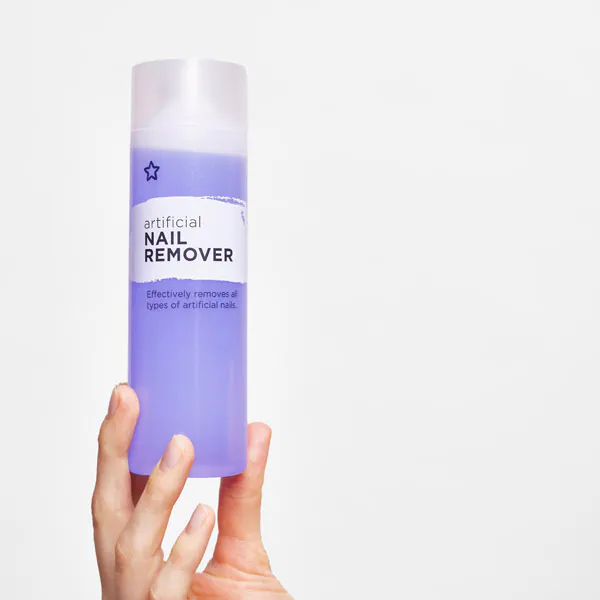
Why Proper Removal Matters More Than You Think Natural nails are made of layers of keratin and are surprisingly delicate. When artificial nails are stuck on or bonded using glue or resin, forcefully removing them — such as ripping or peeling — literally takes away layers of your own nails, making them thinner, weak, and more prone to breakage. Rushing the process is one of the biggest hidden mistakes most people make. In contrast, a thoughtful removal with the right products and techniques — such as using a chemical remover and protective steps — helps preserve the health and integrity of your nails. Types of Nails & Compatible Removers Most pages gloss over this, but not all nails are the same — and different types require different removers: Acrylic Nails These are one of the most common artificial enhancements and are created by bonding acrylic material to your natural nail. They are strong but require a solvent-based artificial nail remover, typically acetone-based, to break them down safely. Gel Nails Gel enhancements are slightly different in composition and sometimes need a soak-off gel remover or heavier acetone method. Not all gel nails dissolve easily in classic nail polish remover. Press-On Nails These often use adhesive tabs or glue. They can sometimes be removed using gentler removers or warm water methods, but a specialised artificial nail remover helps dissolve glue more effectively with less damage. Dip Powder Nails Dip powder nails sometimes require longer acetone exposure or professional tools because of their strong bonding and layered application. Understanding the type of nails you have is a critical first step that many guides fail to emphasise. How Artificial Nail Remover Works At a chemical level, most removers designed for artificial nails contain compounds that break down the polymers in acrylic or gel products. The strongest and most effective solvent for this is pure or almost pure acetone, which directly dissolves the synthetic material. Simpler nail polish removers usually contain diluted acetone or other solvents that are too weak to fully dissolve acrylic or gel layers, which is why using the correct remover is crucial. Step-by-Step Safe Removal Process Here’s the comprehensive sequence most articles fail to give in clear, actionable detail: 1. Prepare Your Workspace & Tools Using the right tools first reduces stress and helps the remover work more efficiently. 2. Trim and File the Nail Surface Before using any remover, shorten the artificial nails with clippers and gently file the top shiny layer. This step helps the remover penetrate faster and more thoroughly, which many guides don’t mention. 3. Apply Artificial Nail Remover Properly Pour your artificial nail remover into a bowl or use soaked cotton balls directly on the nail surface. Wrap each fingertip in aluminium foil or use nail remover clips to keep the cotton in place. This traps the solvent and allows heat from your body to speed the process. 4. Soak and Monitor Allow the nails to soak for 15–30 minutes, checking one at a time. If they don’t soften enough, rewrap and soak a little longer. Rushing this step increases the risk of damage and is one of the biggest oversights in most guides. 5. Gently Push Off Softened Product After soaking, don’t pry hard. Use a wooden orangewood stick or a cuticle pusher to gently slide the softened product off. If it resists, soak again. Forcing removal can strip layers of your natural nail. Non-Acetone and Gentler Alternatives For those with sensitive skin or less stubborn enhancements, gentler methods exist: Warm Soapy Water Soaking in warm water helps loosen glue or adhesive on press-on nails without strong chemicals. Gentle oils like olive or cuticle oil can also help break down adhesive bonds. This approach is slower but much kinder to your nails and skin, especially if you plan to reuse press-on sets. 🧠 Common Mistakes & Hidden Risks Most Pages Don’t Cover Ripping or Pulling Off Nails This is the #1 way to cause peeling, thinning, and long-term damage. Always soak and work gently. Using Metal Tools Aggressively Metal can scratch and dent your natural nail plate; always use wooden or plastic tools. Skipping Aftercare Many guides stop after removal steps, but aftercare is critical — proper hydration and protection help nails recover from the drying effects of solvents like acetone. Aftercare: Restore & Rejuvenate Your Natural Nails After using artificial nail remover, your nails may feel dry or brittle because solvents like acetone strip natural oils. This is where most pages fall short — they don’t emphasise nail restoration at all. Here’s how to help your nails recover: 1. Moisturise Immediately Use high-quality cuticle oils, hand creams, or natural oils like jojoba or almond to replenish moisture. 2. Consider Strengthening Treatments Look for strengtheners or products with keratin, biotin, or calcium to support nails while they recover. 3. Regular Hydration & Gentle Buffing Avoid aggressive buffing right after removal. Instead, lightly smooth the surface and maintain moisture. 4. Give Your Nails a Break After many cycles of artificial application and removal, your natural nails need time to breathe. Giving them a break can improve long-term strength and reduce brittleness. Choosing the Right Artificial Nail Remover for You When selecting a remover, consider: 🔹 Purpose A strong acetone-based remover for acrylics and gelsA gentler, non-acetone remover for press-ons or sensitive nails Different formulations have different drying effects and speeds. 🔹 Skin Sensitivity If you have sensitive skin, look for formulas with moisturisers or use a barrier like petroleum jelly around the nail bed before soaking. 🔹 Sustainability Some removers are more eco-friendly and have fewer volatile organic compounds (VOCs), which benefit both users and the environment. Tips for Preserving Nail Health Between Sets Here’s something most guides don’t delve into: ✔ Use cuticle oil daily✔ Avoid overly frequent applications of artificial enhancements✔ Limit abrasive filing✔ Eat a balanced diet rich in vitamins for nail growth✔ Take breaks between sets to allow recovery These practices strengthen nails long before you even need to use a
Best Shampoo & Conditioner Guide for Every Hair Type
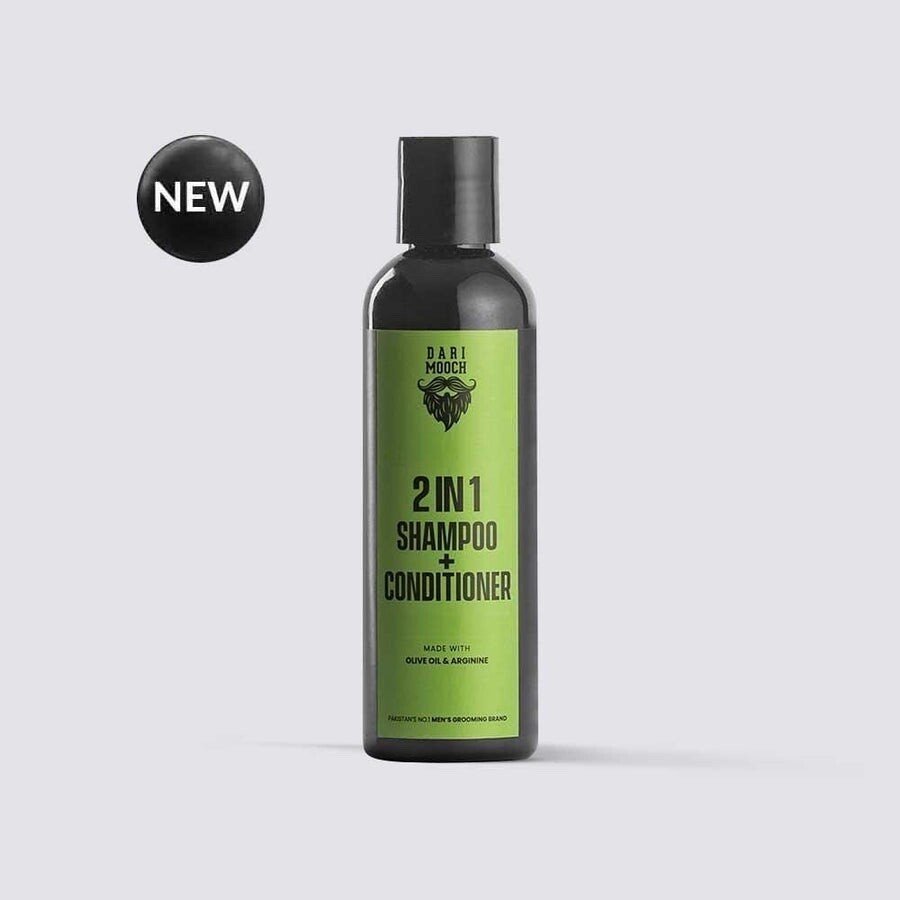
What Shampoo & Conditioner Actually Do Most websites simply state that shampoo cleans hair and conditioner moisturises it. But how they do this is crucial. Shampoo: More Than Just Cleaning Shampoo contains surfactants — compounds that remove oil, dirt and buildup. They work by surrounding oil particles and rinsing them away with water. But different surfactants have different strengths: Understanding this is key to preventing dryness or irritation. Conditioner: Beyond Smooth Strands Conditioners contain cations — positively charged molecules that bind to your hair (which is naturally negatively charged). This: Most guides stop at “smooths hair,” but they don’t explain that this charge interaction is what makes hair feel soft. Hair Biology: Why One Product Doesn’t Fit All Hair and scalp vary vastly based on genetics, lifestyle, environment and routine. The biggest omission in most pages is that hair type — not brand — determines the right shampoo and conditioner choice. Hair Thickness & Porosity Hair varies in thickness (fine, medium, coarse) and porosity (how well hair absorbs and retains moisture). These characteristics influence product performance: Knowing your hair’s physical properties helps optimise results. What Most Shampoo & Conditioner Guides Miss Here’s a breakdown of essential topics often left out: 1. Water Quality Effects Hard water — rich in minerals — affects cleansing and conditioning. When hard water reacts with surfactants, it reduces lather and leaves mineral deposits. These deposits can make hair feel rough and can cause buildup that neither shampoo nor conditioner removes fully. You can improve results by: Most articles never raise this point, but it dramatically changes outcomes. 2. pH Levels Matter Hair and scalp are naturally slightly acidic (around pH 4.5–5.5). Many shampoos and conditioners fall outside this range. Products with a balanced pH help preserve your cuticles and prevent moisture loss — whereas high pH products can raise cuticle scales and cause frizz, dryness, and tangles. 3. The Role of Scalp Health Scalp health is the foundation of great hair. While most articles focus on hair strands, they ignore that an inflamed, dry, or oily scalp alters the effectiveness of shampoo & conditioner. Healthy scalp care ensures: 4. Timing and Technique Most content says “apply shampoo, rinse, apply conditioner.” But when you apply conditioner and how long you leave it on affects results. How Shampoo & Conditioner Work Together (Synergy Not Sequence) You might think the purpose is simply “clean first, moisturise second,” but it’s deeper: This opening-then-closing process helps trap moisture and smooth strands. Understanding this interaction can improve detangling and reduce breakage. Choosing the Right Shampoo & Conditioner for Your Hair Type This section is missing from most pages — a practical decision guide. Fine or Straight Hair Heavy conditioners can weigh fine hair down. Curly or Wavy Hair Your hair needs: Curly hair thrives when both cleansing and conditioning support elasticity and hydration. Thick or Coarse Hair Choose: These help fluff, soften, and detangle coarse textures. Colour-Treated Hair Look for: Colour-safe conditioners help reduce fade and maintain shine. Common Ingredients to Look For and Avoid One of the biggest omissions in other content is ingredient education. ✔ Beneficial Ingredients ✘ Ingredients to Use Cautiously Understanding ingredient functions helps you pick formulas that actually work rather than just sound good on the label. Optimising Your Shampoo & Conditioner Routine Here’s how to maximise results every wash day: 1. Wet Hair Thoroughly Before Shampoo Moisture helps activate surfactants and evenly distribute shampoo. 2. Use the Right Amount — Not Always More Too much shampoo can over-cleanse; too little conditioner may not seal cuticles adequately. 3. Massage Scalp Gently Stimulates circulation and removes buildup without damage. 4. Rinse with Cool Water Cold or lukewarm rinse helps close cuticles and lock in hydration. 5. Comb Conditioner Throug Use a wide-tooth comb to distribute conditioners evenly — reduces tangles and breakage. 6. Clarify Periodically Use a clarifying rinse once every 2-4 weeks to remove mineral buildup, product residue, and restore shine. Scalp First: The Missing Piece in Most Guides A healthy scalp directly influences the performance of shampoo & conditioner. Many guides ignore this entirely. Here’s how you can care for your scalp: Scalp Exfoliation Use a gentle scrub once a month to remove buildup and dead skin. 💦 Hydration Balancing If your scalp is dry, follow cleansing with a lightweight oil massage (e.g., jojoba or tea tree blend). 🍃 Anti-Itch Soothing Understanding Lather and Why It’s Misleading Many people assume more foam means better cleaning. That’s not true. Foam level depends on foaming agents (surfactants) — not cleaning power. Some gentle shampoos foam less but actually cleanse effectively without stripping oils. This is crucial for preserving softness and moisture. Common Myths People Still Believe Myth #1 — “The Most Expensive Product Works Best” Price doesn’t always reflect quality or compatibility with your hair type. Myth #2 — “You Need to Wash Every Day” Over-washing can strip natural oils. The right frequency depends on your scalp oil production and lifestyle. Myth #3 — “Conditioner Causes Greasy Roots” When applied correctly (mid-length to ends), it moisturises without affecting scalp oiliness. Advanced Tips for Enhanced Results Pair with Pre-Shampoo Treatments Natural oils or masks before shampoo can improve conditioning results. Rotate Your Products Hair can adapt to routines — occasional rotation with a complementary formula helps maintain results. Consider Scalp Serums Serums designed for scalp health complement shampoo & conditioner routines and promote stronger hair. Expert-Recommended Wash Day Checklist ✔ Pre-wet hair thoroughly✔ Apply surfactant shampoo gently✔ Rinse completely✔ Apply conditioner mid-lengths to ends✔ Leave conditioner 3–10 minutes depending on needs✔ Rinse with cool water✔ Gently towel-blot — do not rub✔ Comb with wide-tooth tool Real Results — What You Can Expect With the right shampoo & conditioner selection and routine:
Olive Oil Hair Benefits & Expert Care Tips
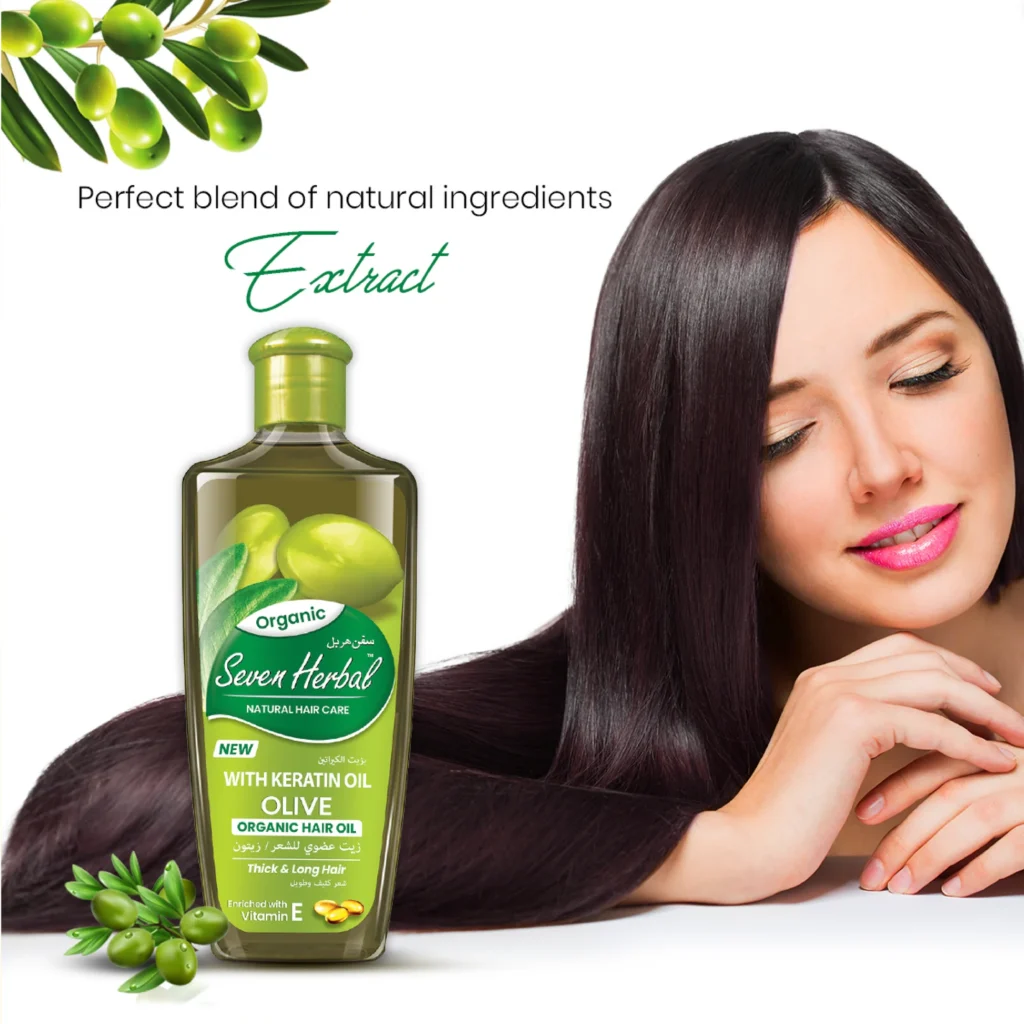
What Is Olive Oil and Why It’s Worth Considering for Hair Olive oil is a plant oil extracted from the fruit of the olive tree. It is rich in: These components give the oil potent emollient and antioxidant qualities that can help nourish hair and scalp. While many posts list “moisture” and “shine,” they often gloss over why these benefits occur at a molecular level: the oil’s structure helps seal moisture in and supports lipid balance, which can protect strands from environmental damage. Key Benefits of Using Olive Oil Hair Treatments Here’s a deeper look at benefits most guides only mention superficially: 1. Deep Hydration for Dry Strands Olive oil acts as an emollient that helps lock moisture into the hair shaft, which is especially valuable for dry, frizzy or coarse hair that struggles to retain hydration. 2. Nourishes and Strengthens Hair With vitamins A and E, olive oil conditions the hair from within, helping to improve elasticity and reduce breakage over time, especially in dry or chemically treated hair. 3. Improves Scalp Health Its anti-inflammatory properties can help soothe an irritated or dry scalp and may reduce itching and flaking when used properly. 4. Smooths Cuticles and Reduces Frizz The natural lipids in olive oil smooth the outer layer of hair, which reduces frizz, makes detangling easier, and reflects light for a shiny finish — not merely a surface gloss. 🛡 5. Protects Against Damage When used as a treatment before heat styling or environmental exposure, olive oil can form a protective layer, helping to reduce the impact of heat and pollution. What Most Olive Oil Hair Guides Don’t Explain While general how-tos focus on apply and rinse, they often miss several advanced aspects: A. Hair Porosity Matters Hair porosity — how easily strands absorb and retain moisture — affects how well olive oil works. Low porosity hair may not absorb olive oil deeply, while high porosity hair benefits significantly from oil sealing. Learning your hair’s porosity helps you decide how to use the oil effectively. B. Scalp-First vs. Strand-Only Application Many guides suggest applying olive oil directly to roots. In reality, application technique matters: targeting scalp first can help nourish follicles and improve circulation, while applying to ends protects from split ends. Understanding where to apply can dramatically influence results. C. Balancing Frequency Based on Hair Type General advice says “use weekly.” But this can be too much for fine hair, leading to greasiness, while coarse or curly hair may benefit from more frequent treatments. Tailoring frequency based on hair texture ensures optimal outcomes. D. Risks of Overuse Too much olive oil or leaving it on too long — especially without thorough rinsing — can lead to buildup, weighed-down hair, or even clogged follicles in some cases. Knowing when and how much to use is essential. How to Use Olive Oil for Hair — Step-by-Step To make the most of olive oil hair treatments, follow these application methods: 1. Pre-Wash Treatment This helps seal moisture before washing and reduces shampoo-related dryness. 2. Deep Conditioning Mask This method is especially effective for dull, damaged, or chemically treated hair. 3. Overnight Treatment For very dry or coarse hair, leave olive oil on overnight (cover with a cap). Wash off in the morning for deeper conditioning. Be cautious with this method if you have fine hair to avoid weight and greasiness. 4. Leave-In Finishing Touch Apply a very small amount to damp hair ends after showering to seal in moisture, tame frizz, and enhance shine — without weighing hair down. 🪄 Olive Oil Hair Mask Variations Here are expert mask formulas beyond the basics: 🌼 Hydrating Trio Mask This deeply conditions and adds flexibility to dry tresses. Scalp Rebalance Mask Massage onto scalp to soothe and enhance circulation. Who Should Use Olive Oil Hair Treatments — And Who Should Be Cautiou Knowing your hair and scalp type ensures you get benefits without unwanted effects: ✔ Beneficial For: Use With Caution If: Common Myths About Olive Oil Hair It’s important to separate fact from fiction: Olive Oil Doesn’t Penetrate Hair While some stylists claim oil molecules are too large, olive oil still helps lock moisture into the cuticle and smooth the surface, improving overall hair health and appearance even if it doesn’t fully penetrate. It Doesn’t Help Dry Hair Contrary to this myth, olive oil’s emollient and antioxidant profile make it one of the better natural treatments for dryness when used correctly. Any Olive Oil Works Cooking olive oil is not formulated for hair. Extra virgin, cold-pressed olive oil is richer in antioxidants and nutrients, making it preferable for topical use. How Olive Oil Compares to Other Natural Oils While many natural oils are discussed for hair, olive oil is distinctive because: Unlike lighter carrier oils (like argan), olive oil works best in pre-wash treatments and deep masks, rather than daily leave-ins for fine hair. Best Practices & Tips Here are expert recommendations that most articles don’t include: Safety, Side Effects & Patch Testing Although generally safe, oil treatments can cause: