
Rosemary Mint Shampoo Benefits & Expert Guide
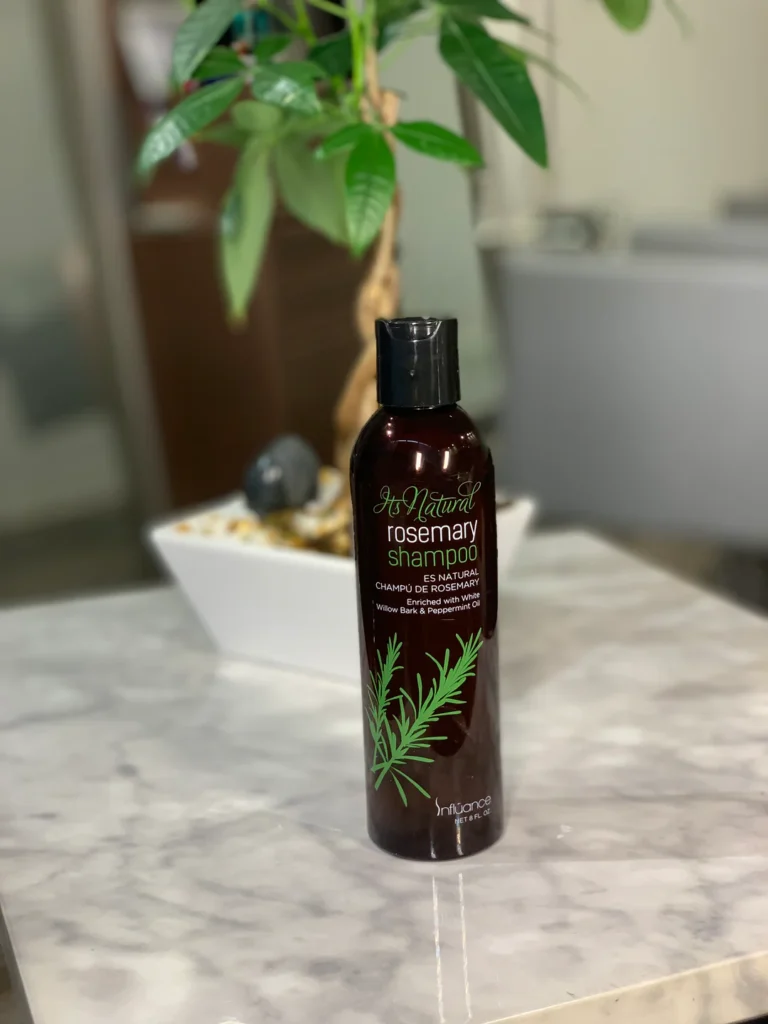
What Rosemary Mint Shampoo Really Is Rosemary mint shampoo is a botanical-based hair cleanser where rosemary extract and mint (often peppermint) are key ingredients. These natural extracts complement each other — rosemary brings scalp stimulation and antioxidant support, while mint delivers a cooling, refreshing sensation and circulation boost to the scalp. This combination is particularly useful for combating buildup, soothing irritation, and supporting a healthier scalp environment. But there’s more to it than just smelling fresh. Understanding the Science Behind the Ingredients Rosemary Extract Rosemary is known for its anti-inflammatory and circulation-boosting properties. When applied topically, it can help improve blood flow to hair follicles — a key element in promoting stronger, healthier strands over time. It also contains antioxidants that may help counteract the effects of environmental stress and free radicals that weaken hair. These properties go beyond generic claims often repeated by brands. Mint (Peppermint or Spearmint) Mint adds a cooling, tingling sensation that not only awakens the senses but can also stimulate the scalp. This sensory effect isn’t merely cosmetic — improved circulation helps transport nutrients more efficiently to roots. The cooling effect also provides immediate relief for irritation, itching, or post-styling stress that can contribute to discomfort. Synergy of Rosemary + Mint Most shampoos focus on one plant benefit — but the duo works better than either alone: ✔ Rosemary helps with circulation and antioxidant protection✔ Mint increases scalp sensory feedback and refreshes buildup✔ Together, they improve overall scalp environment — a missing detail in most summaries. What Most Articles Don’t Explain When you compare the typical top listings, here’s what they miss: 1. Scalp Detox Benefits Cleansing alone isn’t enough for optimal hair health. Rosemary and mint help reduce buildup from styling products, sebum, and environmental pollutants — leading to fresher, more breathable scalp conditions. Most guides don’t explain the detoxifying action these herbs provide. 2. pH Balance & Cuticle Health The right shampoo maintains hair’s natural acidity. A balanced pH seals the cuticles, improving shine and reducing frizz — especially important for dry or curly hair textures. Many pages skip this detail entirely. 3. Tailoring to Hair Types Not all rosemary mint formulas are equal. Some are stronger (clarifying), others more gentle and hydrating — depending on whether your hair is dry, oily, curly, or colour-treated. Very few resources explain how to choose based on hair type and needs. 4. Sensitive Scalp Considerations Menthol or strong mint extracts may be invigorating — but not for everyone. Sensitive scalps may react to strong cooling agents unless balanced with soothing humectants. This nuance is largely absent from basic product descriptions. Benefits of Using Rosemary Mint Shampoo (Beyond the Basics) Here’s a breakdown of real benefits supported by ingredient functions and user experience: 1. Improved Scalp Circulation Enhanced blood flow delivers more nutrients to hair follicles — supporting natural hair resilience. 2. Soothing and Refreshing Sensory Effect The minty tingle isn’t just about fragrance — it gives immediate relief from itchiness and irritation. 3. Balancing Sebum Production Rosemary and mint together can help balance oil production. This makes the shampoo suitable for both oily and combination scalps. 4. Dandruff and Flakiness Support The anti-inflammatory action of rosemary can help calm mild scalp issues that contribute to flakes or dryness — something many generic pages don’t highlight. 5. Strengthening & Breakage Reduction By supporting scalp health and providing gentle cleansing, this shampoo helps fortify weak strands and reduce breakage due to stress and buildup. How to Choose the Best Formula for You Instead of following a single generic recommendation, consider: For Oily Scalps Choose a clarifying rosemary mint shampoo with stronger mint content and lightweight formula to remove excess oil and debris. For Dry or Damaged Hair Look for a variant with hydrating base ingredients like glycerin, natural oils, and conditioning agents — so the mint doesn’t over-strip moisture. For Curly or Textured Hair A gentle sulfate-free rosemary mint shampoo helps support curl definition without drying out natural oils. For Sensitive Scalp Opt for a milder formula with soothing botanicals — so you enjoy benefits without irritation. Ingredients like aloe vera, panthenol or herbal extracts can help balance the cooling peppermint sensation. How to Use Rosemary Mint Shampoo for Best Results Using the right shampoo correctly can make all the difference. Many guides stop at “massage and rinse,” but application technique matters: Step 1 — Pre-Rinse with Warm Water Warm water opens hair cuticles and helps the shampoo work more effectively. Step 2 — Target the Scalp First Focus on massaging the rosemary mint shampoo into your scalp, where oil and buildup gather. This boosts circulation and refreshes roots. Step 3 — Work Through to Ends Once the scalp is cleansed, run the shampoo through your lengths. Hair ends need gentle support without stripping away moisture. Step 4 — Rinse with Cooler Water A cooler rinse seals cuticles and enhances shine — something most top pages fail to mention. Step 5 — Pair with a Good Conditioner Following up with a conditioner (ideally rosemary mint-compatible) locks in hydration and balance — especially after stronger scalp stimulation. How Often Should You Use It? Depending on your hair needs: ✔ Normal or combination hair: 2–3 times/week✔ Oily hair: 3–4 times/week✔ Dry or curly hair: 1–2 times/week (supplement with co-washing) Too frequent use may be over-stimulating for sensitive scalps. What To Watch Out For (Few Pages Mention This) Even natural ingredients can have downsides without proper care: Allergic Reactions Some people may be sensitive to potent mint or rosemary extracts — causing tingling, redness, or mild irritation. Always patch-test first. Too Much Mint Can Be Drying Strong menthol stimulates, but can strip too much natural oil if used daily without conditioning. Not a Standalone Hair Growth Cure While increased circulation and nutrient support help, hair growth also depends on diet, stress levels, and overall health — not just shampoo alone. Complementary Products That Enhance Effects To maximise results from rosemary mint shampoo, consider pairing with: ✅ Rosemary mint conditioner —
Best Shampoo & Conditioner Guide for Every Hair Type
What Shampoo & Conditioner Actually Do Most websites simply state that shampoo cleans hair and conditioner moisturises it. But how they do this is crucial. Shampoo: More Than Just Cleaning Shampoo contains surfactants — compounds that remove oil, dirt and buildup. They work by surrounding oil particles and rinsing them away with water. But different surfactants have different strengths: Understanding this is key to preventing dryness or irritation. Conditioner: Beyond Smooth Strands Conditioners contain cations — positively charged molecules that bind to your hair (which is naturally negatively charged). This: Most guides stop at “smooths hair,” but they don’t explain that this charge interaction is what makes hair feel soft. Hair Biology: Why One Product Doesn’t Fit All Hair and scalp vary vastly based on genetics, lifestyle, environment and routine. The biggest omission in most pages is that hair type — not brand — determines the right shampoo and conditioner choice. Hair Thickness & Porosity Hair varies in thickness (fine, medium, coarse) and porosity (how well hair absorbs and retains moisture). These characteristics influence product performance: Knowing your hair’s physical properties helps optimise results. What Most Shampoo & Conditioner Guides Miss Here’s a breakdown of essential topics often left out: 1. Water Quality Effects Hard water — rich in minerals — affects cleansing and conditioning. When hard water reacts with surfactants, it reduces lather and leaves mineral deposits. These deposits can make hair feel rough and can cause buildup that neither shampoo nor conditioner removes fully. You can improve results by: Most articles never raise this point, but it dramatically changes outcomes. 2. pH Levels Matter Hair and scalp are naturally slightly acidic (around pH 4.5–5.5). Many shampoos and conditioners fall outside this range. Products with a balanced pH help preserve your cuticles and prevent moisture loss — whereas high pH products can raise cuticle scales and cause frizz, dryness, and tangles. 3. The Role of Scalp Health Scalp health is the foundation of great hair. While most articles focus on hair strands, they ignore that an inflamed, dry, or oily scalp alters the effectiveness of shampoo & conditioner. Healthy scalp care ensures: 4. Timing and Technique Most content says “apply shampoo, rinse, apply conditioner.” But when you apply conditioner and how long you leave it on affects results. How Shampoo & Conditioner Work Together (Synergy Not Sequence) You might think the purpose is simply “clean first, moisturise second,” but it’s deeper: This opening-then-closing process helps trap moisture and smooth strands. Understanding this interaction can improve detangling and reduce breakage. Choosing the Right Shampoo & Conditioner for Your Hair Type This section is missing from most pages — a practical decision guide. Fine or Straight Hair Heavy conditioners can weigh fine hair down. Curly or Wavy Hair Your hair needs: Curly hair thrives when both cleansing and conditioning support elasticity and hydration. Thick or Coarse Hair Choose: These help fluff, soften, and detangle coarse textures. Colour-Treated Hair Look for: Colour-safe conditioners help reduce fade and maintain shine. Common Ingredients to Look For and Avoid One of the biggest omissions in other content is ingredient education. ✔ Beneficial Ingredients ✘ Ingredients to Use Cautiously Understanding ingredient functions helps you pick formulas that actually work rather than just sound good on the label. Optimising Your Shampoo & Conditioner Routine Here’s how to maximise results every wash day: 1. Wet Hair Thoroughly Before Shampoo Moisture helps activate surfactants and evenly distribute shampoo. 2. Use the Right Amount — Not Always More Too much shampoo can over-cleanse; too little conditioner may not seal cuticles adequately. 3. Massage Scalp Gently Stimulates circulation and removes buildup without damage. 4. Rinse with Cool Water Cold or lukewarm rinse helps close cuticles and lock in hydration. 5. Comb Conditioner Throug Use a wide-tooth comb to distribute conditioners evenly — reduces tangles and breakage. 6. Clarify Periodically Use a clarifying rinse once every 2-4 weeks to remove mineral buildup, product residue, and restore shine. Scalp First: The Missing Piece in Most Guides A healthy scalp directly influences the performance of shampoo & conditioner. Many guides ignore this entirely. Here’s how you can care for your scalp: Scalp Exfoliation Use a gentle scrub once a month to remove buildup and dead skin. 💦 Hydration Balancing If your scalp is dry, follow cleansing with a lightweight oil massage (e.g., jojoba or tea tree blend). 🍃 Anti-Itch Soothing Understanding Lather and Why It’s Misleading Many people assume more foam means better cleaning. That’s not true. Foam level depends on foaming agents (surfactants) — not cleaning power. Some gentle shampoos foam less but actually cleanse effectively without stripping oils. This is crucial for preserving softness and moisture. Common Myths People Still Believe Myth #1 — “The Most Expensive Product Works Best” Price doesn’t always reflect quality or compatibility with your hair type. Myth #2 — “You Need to Wash Every Day” Over-washing can strip natural oils. The right frequency depends on your scalp oil production and lifestyle. Myth #3 — “Conditioner Causes Greasy Roots” When applied correctly (mid-length to ends), it moisturises without affecting scalp oiliness. Advanced Tips for Enhanced Results Pair with Pre-Shampoo Treatments Natural oils or masks before shampoo can improve conditioning results. Rotate Your Products Hair can adapt to routines — occasional rotation with a complementary formula helps maintain results. Consider Scalp Serums Serums designed for scalp health complement shampoo & conditioner routines and promote stronger hair. Expert-Recommended Wash Day Checklist ✔ Pre-wet hair thoroughly✔ Apply surfactant shampoo gently✔ Rinse completely✔ Apply conditioner mid-lengths to ends✔ Leave conditioner 3–10 minutes depending on needs✔ Rinse with cool water✔ Gently towel-blot — do not rub✔ Comb with wide-tooth tool Real Results — What You Can Expect With the right shampoo & conditioner selection and routine: