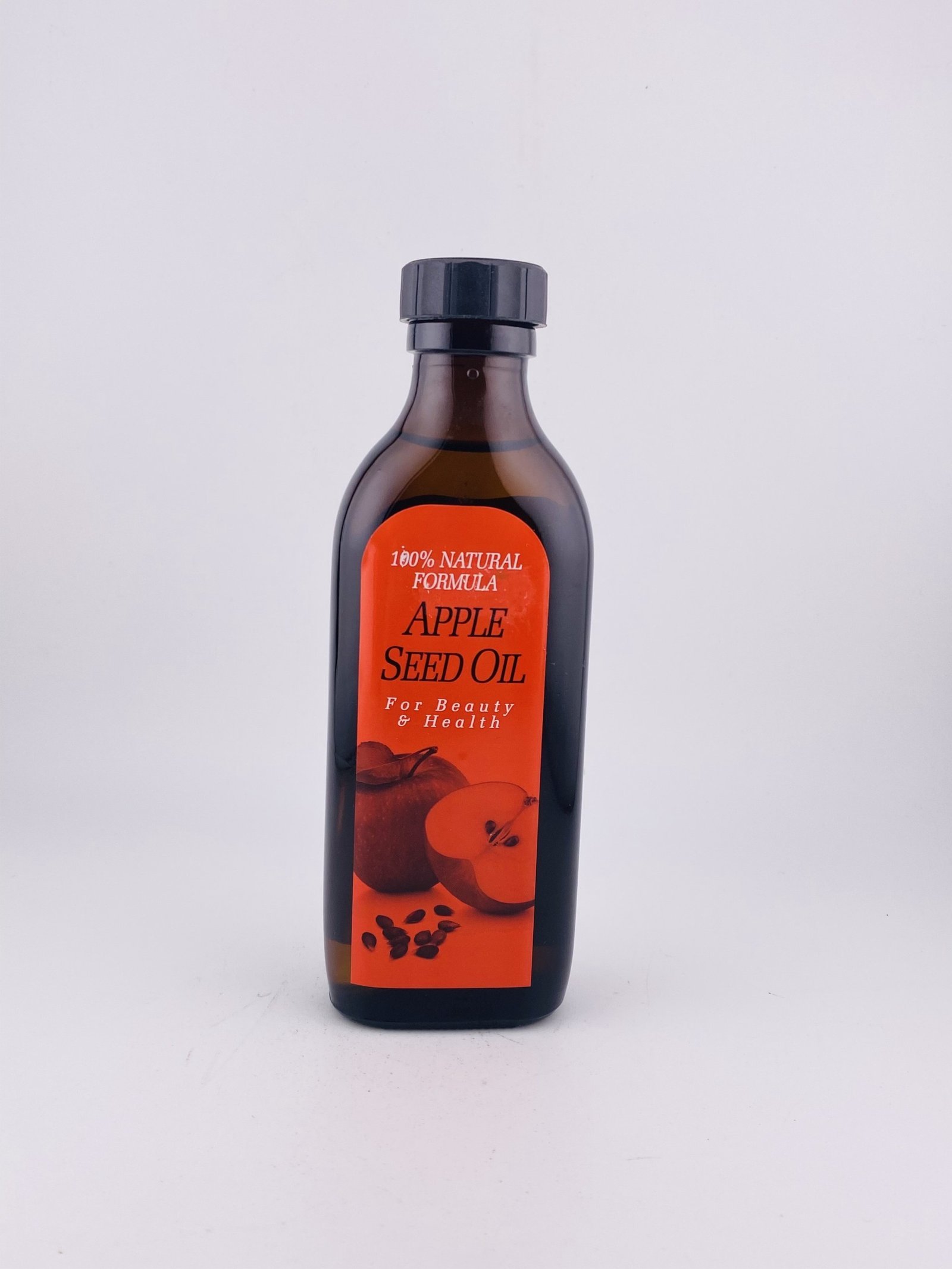

Description
The Ultimate Guide to Apple Seed Oil (Benefits, Uses, Science & Beauty Tips)
Apple Seed Oil is becoming one of the most talked-about botanical oils in the beauty and wellness world – yet most articles only scratch the surface. In reality, this unrefined, nutrient-rich oil is a multi-functional powerhouse with uses far beyond simple skin moisturizing. In this deep-dive guide, we’ll explore everything beauty lovers and natural skincare entrepreneurs should know about Apple Seed Oil – from its chemical profile and scientific benefits to unique uses, safety considerations, formulation tips, sustainability insights, and FAQs you won’t find elsewhere.
What Is Apple Seed Oil
Apple Seed Oil is a vegetable oil extracted from the seeds of apples via cold pressing. It yields a light yellow oil rich in unsaturated fatty acids, natural antioxidants, and micronutrients. Unlike apple fruit extracts that focus on vitamin C and polyphenols, the seed oil’s value comes from its fatty acid profile and bioactives that make it ideal for skin, hair, and even select edible applications.
This oil is different from commercial fruit cider or juice oils – it’s specifically from the seeds, which contain up to 29% oil by weight.
What Top Pages Miss (What This Guide Will Cover)
Most top existing pages focus on:
Basic skincare benefits (moisturizing, anti-aging)
Hair conditioning
General antioxidant content
What they don’t cover in depth:
Scientific breakdown of fatty acids & what they actually do
Safety details (especially amygdalin and ingestion caution)
How Apple Seed Oil compares to other botanical oils
How to choose high-quality oil (extraction, purity, storage)
Formulation tips for DIY and professional use
Sustainability and industrial uses beyond cosmetics
In-depth hair science (growth, follicle penetration)
How and why Apple Seed Oil works biologically
Nutritional considerations and limited edible uses
This article fills those gaps – giving you both beauty and science knowledge in one place.
Key Components of Apple Seed Oil
1. Fatty Acid Profile
Apple Seed Oil contains a high proportion of unsaturated fatty acids, key players in skin and hair biology:
Linoleic Acid (Omega-6)Supports skin barrier repair, reduces moisture loss, and improves elasticity.
Oleic Acid (Omega-9)Enhances skin hydration and absorption of nutrients.
Smaller amounts of palmitic and stearic acids contribute to emollient properties.
Together, these fats boost hydration and maintain lipid balance in the skin and scalp.
2. Natural Antioxidants
Apple Seed Oil is rich in vitamin E (tocopherols) and other phenolic compounds that help neutralize free radicals, combat oxidative stress, and protect skin cells from environmental damage.
3. Micronutrients
Trace elements like phosphorus, magnesium, potassium, calcium, and iron are naturally present and contribute to cellular health and enzyme function. These nutrients support tissue repair and cellular communication.
Proven and Unique Benefits for Skin
1. Moisture & Hydration
Due to its high linoleic acid content, Apple Seed Oil quickly penetrates the skin’s lipid barrier – deeply hydrating without feeling greasy on the surface. This makes it especially suitable for dry, sensitive, or mature skin.
2. Anti-Aging & Collagen Support
Antioxidants like vitamin E help defend against UV-linked free radical damage and oxidative stress, which are major contributors to wrinkles and sagging skin. Apple Seed Oil can help support collagen structure over time, keeping skin firmer and more resilient.
3. Soothing & Calming
Natural anti-inflammatory agents in the oil help calm redness and irritation, making it a gentle choice for sensitive or reactive skin types.
4. Enhanced Elasticity
By reinforcing the skin’s barrier and improving hydration levels, Apple Seed Oil supports elasticity – helping reduce the appearance of fine lines.
Hair Benefits You Won’t Always Hear
Apple Seed Oil isn’t just for skin – it has unique benefits for hair at a biological level:
Scalp Nourishment
Rich fatty acids and micronutrients help nourish the scalp, reducing dryness and flakiness – an essential foundation for healthy hair growth.
Improved Circulation
When massaged into the scalp, the oil’s nutrient profile may improve local circulation, supporting follicle health and potentially reducing breakage.
Strengthening & Shine
Since it penetrates the hair shaft without weighing it down, Apple Seed Oil can help improve shine and reduce frizz – especially beneficial for dry or damaged hair.
How Apple Seed Oil Works: The Science
The skin’s outer layer (stratum corneum) relies on lipids to maintain a moisture barrier. When this barrier breaks down, dehydration and irritation follow. Apple Seed Oil acts as a compatible lipid mimic, reinforcing barrier function and preventing trans epidermal water loss.
The antioxidants in the oil help offset damage from UV exposure and metabolic stress by stabilizing free radicals. This double effect – barrier support plus antioxidant protection – is what gives the oil its powerful anti-aging edge.
How To Use Apple Seed Oil (Pro Tips)
Here are practical ways to incorporate it into your beauty routine:
Facial Oil
Apply 3–5 drops to clean skin, morning or night.
Mix with a hyaluronic acid serum for enhanced hydration.
Use as the final step of your routine to lock in moisture.
Pro Tip: A little goes a long way – tapping gently helps absorption.
Body Moisturizer
Use after showering on slightly damp skin.
Combine with body butter or cream for deeper hydration.
Hair & Scalp Treatment
Warm 1–2 tbsp (depending on length), massage into scalp.
Leave for 30 minutes before shampooing.
Can be mixed with coconut or argan oil for added benefits.
Safety & Ingestion Considerations
A unique safety topic around apple seed derivatives is amygdalin, a compound naturally found in seeds that can release cyanide when metabolized. Modern research suggests that the amount that may pass into cold-pressed apple seed oil is extremely low and unlikely to cause harm when used topically.
However:
Do not ingest Apple Seed Oil in large quantities unless under professional guidance.
Always perform a patch test before regular use.
People with known seed or tree allergies should approach cautiously.
When used as a cosmetic or topical product, Apple Seed Oil is generally considered safe for most skin and hair types.
Sustainability & Extraction Insights
Unlike many seed oils that come from commodity crops, Apple Seed Oil is often harvested as a by-product of apple processingturning what would otherwise be waste into a high-value ingredient. This gives it a sustainability edge compared to some other botanical oils.
Look for cold-pressed, organic, non-GMO certifications, and dark glass packaging – all signs of quality and reduced oxidative degradation.
How to Choose Quality Apple Seed Oil
To make sure you get an effective product:
Cold-pressed extractionPreserves nutrients.
Organic certificationEnsures clean sourcing.
Minimal processingNo hexane or chemical solvents.
Fresh aroma & neutral colorIndicates purity.
Dark glass bottleProtects from light degradation.
Frequently Asked Questions (FAQs)
1. Can Apple Seed Oil be used on all skin types
Yes, its lightweight, non-greasy nature makes it suitable for dry, oily, combination, and sensitive skin – but always do a patch test first.
2. Can Apple Seed Oil be ingested
Topically, it’s safe – but ingestion should only be done under professional advice due to potential trace levels of amygdalin.
3. How often should I use Apple Seed Oil
Daily application on skin or hair is fine. For intense scalp treatments, 2-3 times per week is recommended.
4. Does it clog pores
No – its high linoleic acid content makes it non-comedogenic for most people.
5. Can Apple Seed Oil help with acne
Its anti-inflammatory and antioxidant properties may support clearer skin, but results vary by individual.
Final Thoughts
Apple Seed Oil is far more than a trendy skincare ingredient – it’s a scientifically supported oil with deep hydration, antioxidant protection, barrier support, and natural nutrient benefits. From skin to scalp, this oil deserves a place in your natural beauty toolkit.
By selecting quality products, understanding how it works, and using it correctly, Apple Seed Oil can elevate your routine sustainably and effectively.
Let me know if you’d like a shorter version for social media, or a DIY routine using Apple Seed Oil!
Reviews
There are no reviews yet.